Baseball has quietly become one of the Wellington region’s most welcoming summer sports, offering children, teenagers and adults a structured way onto the diamond. This guide explains how the local game is organised across the capital — from five-year-olds learning to swing a bat, through to committed players chasing representative honours. You will find who runs the game here, the grades on offer, what a season looks like, the gear you genuinely need, how player safety is handled, and clear steps for joining a club near you.
Key Points
- Governing bodies: Baseball New Zealand (national, formed 1989) and the Wellington Baseball Association at regional level.
- Grades: Tee-ball for young beginners, then 12U, 14U, 16U and Open (adult) grades.
- Season: a summer sport, generally running from about November to March.
- Getting in: most clubs register online via the Sporty platform, with pre-season ‘have a go’ days.
- Cost to start: often just a glove for juniors, as many clubs share bats, helmets and catcher’s gear.
- Safety: pitch counts based on Pitch Smart guidelines, protective gear and SunSmart habits.
Who Runs Baseball in the Wellington Region
Baseball in New Zealand is a smaller code than its close cousin softball, but it is well organised. The national governing body is Baseball New Zealand, formed in Auckland in 1989, which oversees national championships and the age-group and senior national teams. At a local level, the Wellington Baseball Association (WBA) coordinates competition across the capital and runs the region’s programmes, from beginner Tee-ball through to adult grades.
Although the game’s global history runs deep — that wider story is documented on Wikipedia — in New Zealand baseball remains a community-driven sport that leans heavily on volunteers. Registrations for most clubs are handled online through the Sporty platform, and pre-season ‘come and try’ sessions are a common, no-pressure entry point before the summer season begins. If you are weighing up whether the sport suits your family, our overview of getting your child into baseball in NZ is a good starting point.
Finding a Club Near You
Baseball clubs are spread across Wellington City, the Hutt Valley and the wider region, so the practical first step is to find the nearest active club rather than assume there is one in every suburb. Two well-established options are the Wellington City Pirates and the Hutt Valley Hornets, the latter playing out of the Hornets Nest diamond at Fraser Park in Lower Hutt. Because club numbers can change from season to season, it is worth checking the current ‘find a club’ listings through Baseball New Zealand or the WBA before you register. For a broader picture of the local scene, see our guide to Wellington baseball teams from Little League to senior grades.
| Club | Area | Typical grades |
|---|---|---|
| Wellington City Pirates | Wellington City | Youth and Open |
| Hutt Valley Hornets | Lower Hutt (Fraser Park) | 12U, 14U, 16U, 21U and Open |
Tee-ball: Where the Youngest Players Start
For most children, the journey begins with Tee-ball, the entry programme designed for young beginners. Rather than facing live pitching, players hit the ball off a stationary tee (and sometimes from a gentle coach toss), which means every child gets to make contact, run the bases and stay involved. The emphasis is squarely on fun and fundamentals — hand-eye coordination, throwing, catching and understanding where to run — rather than the final score. It is an affordable, inclusive format built around the idea that every child hits and every child plays.
Moving from Tee-ball into the Hardball Grades
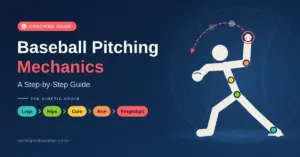
As children grow, they progress into the junior ‘hardball’ grades, where live pitching and more of the game’s tactics are introduced. Clubs manage this transition carefully, often using reduced-impact or safety baseballs so that young players build confidence without fear of a hard ball. Coaches teach fielding decisions, the strike zone and the basics of pitching mechanics gradually. This is also the stage where a child’s own glove becomes essential; our guide on how to break in a baseball glove is a handy reference for new families.
Programs at a Glance
| Programme / Grade | Typical players | Pitching / hitting format |
|---|---|---|
| Tee-ball | Young beginners | Hit off a tee or gentle coach toss |
| 12U | Juniors | Introduction to live pitching, often with safety balls |
| 14U | Youth | Full-field play and position specialisation |
| 16U | Older youth | Higher-intensity competition and representative trials |
| Open | Adults | Social to competitive senior baseball |
Youth Grades: 12U, 14U and 16U
Once players move into the 12U, 14U and 16U grades, the game is played closer to its full form, with more emphasis on pitching, situational defence and hitting. Regional competition — including travel-league style fixtures against clubs around the wider Wellington area — gives players regular game time across the summer. For many, these grades are where they begin to specialise in a position such as catcher, pitcher or infielder.
The most dedicated youth players can trial for regional representative teams, which compete at national age-group championships. These championships are the main pathway toward New Zealand’s national teams, collectively branded the Diamondblacks. A small number of New Zealand players do go on to United States college programmes, but this is the exception rather than the norm — the realistic goal for most is enjoyable, improving baseball within a supportive local club. If you are new to how the grades and fixtures fit together, our summary of teams and competitions in Wellington baseball is worth a read.
Community and Adult Baseball: The Open Grade
Baseball in Wellington is not only for children. The Open grade caters to adults, from those returning to the sport after playing in their youth to complete beginners picking up a glove for the first time. The atmosphere is competitive but social, and it is common to see local Kiwis playing alongside expats from baseball-loving countries such as the United States, Japan and across Latin America. Games are generally held on weekends across the summer, which makes baseball a viable ‘second sport’ for people whose main code runs in winter.
Beyond the innings themselves, the community side is a genuine draw: shared post-game meals, watching Major League Baseball together during the finals, and end-of-season gatherings all help newcomers settle in quickly.
Coaches, Umpires and Volunteers
Like most grassroots sport in New Zealand, community baseball runs on volunteers — the parents who prepare the diamond, the coaches who give up weekends, and the officials who keep games fair. Baseball New Zealand offers a structured coach-accreditation pathway, and many local volunteers work through it to make sure juniors are taught safe, modern technique.
Umpiring and scorekeeping are two of the most valuable off-field roles. Umpires manage the rules and the safety of the game, while scorers track the pitch counts that protect young arms. Clubs routinely train newcomers for these roles, so no prior experience is required — just a willingness to learn.
Player Safety on the Diamond
Arm health is taken seriously in youth baseball. The widely used Pitch Smart guidelines from Major League Baseball and USA Baseball set age-based daily pitch limits and mandatory rest days, and these principles underpin how junior pitchers are managed in New Zealand. Alongside this, protective equipment such as batting helmets with ear flaps and full catcher’s gear is standard in the competitive grades.
Managing the Wellington Elements
Playing through a Wellington summer brings its own challenges. New Zealand’s UV levels are high, so clubs encourage SunSmart habits — sunscreen, hats and shade — during games that can run for a couple of hours. The capital’s wind is another factor, both for fielding fly balls and for staying comfortable, so layers and eyewear help. Regular hydration breaks round out a sensible approach. For more detail, see our dedicated guide to baseball safety tips for kids in Wellington.
| Age band (Pitch Smart) | Guideline daily pitch limit | Rest after a heavy outing |
|---|---|---|
| 11–12 years | Up to about 85 | Scaled rest days |
| 13–14 years | Up to about 95 | Scaled rest days |
| 15–16 years | Up to about 95 | Scaled rest days |
| 17–18 years | Up to about 105 | Scaled rest days |
Gear and Uniforms: What You Need to Start
The cost of starting can look daunting, but Wellington clubs work hard to keep it low. For junior grades, many clubs provide shared team equipment — bats, helmets and catcher’s gear — so the one item a beginner usually needs is a well-fitting glove. Getting the size right matters: a glove that is too large is hard for a child to close, while one that is too small offers too little coverage.
Sourcing Baseball Gear in New Zealand
Because baseball is a growing sport here, specialised items such as certified bats or baseball cleats often come from dedicated retailers or online, rather than general sports stores. Bats must meet the certification required for the grade (for example USA Baseball or BBCOR standards, which control how much ‘trampoline’ effect a bat has). Moulded cleats suit junior players, and uniforms are typically a mix of a club-issued jersey with player-purchased pants, belt and socks. Our guide on choosing a baseball bat for kids in NZ explains the certifications in plain language.
The Season, Tournaments and Community Events
Baseball is a summer sport in New Zealand, with local competition generally running across the warmer months from roughly November to March, and a break over the Christmas and New Year period. Pre-season registration and ‘have a go’ days typically open in late winter or spring. The calendar builds toward national championships for the youth and senior grades, which draw clubs from around the country.
For families, travelling to tournaments and cheering on teammates becomes part of the fun, and clubs fill out the season with social events and fundraisers. If you want to plan around specific dates, keep an eye on the local Wellington baseball schedules and fixtures as they are published each year.
Getting Started
Youth and community baseball in the Wellington region is an inclusive, volunteer-driven ecosystem that has room for every age and ability, from a first swing off the tee to a competitive Open-grade innings. The practical path in is simple: find your nearest active club, register through its online portal, borrow or buy a glove, and turn up to a pre-season session. From there, the sport’s welcoming culture tends to do the rest. Parents who want a fuller picture of the junior side may also find our guide to Little League baseball in Wellington useful.
Sources
Frequently Asked Questions
What is Tee-ball and who is it for?
Tee-ball is the beginner programme for young children. Players hit the ball off a stationary tee rather than facing live pitching, so everyone makes contact and stays involved. It focuses on fundamentals and fun before children move into the junior hardball grades.
When does the Wellington baseball season run?
Baseball is a summer sport in New Zealand. Local competition generally runs across the warmer months, roughly from November to March, with a break over Christmas and New Year and registrations opening in the pre-season.
How much gear does a beginner actually need?
Very little to start. Many clubs share bats, helmets and catcher’s gear for junior grades, so a well-fitting glove is usually the only essential personal item. Uniforms are typically a club-issued jersey plus player-purchased pants, belt and socks.
Can girls and complete beginners play?
Yes. Youth baseball in New Zealand is played on a mixed-gender basis, and the Open grade welcomes adults who have never played before. Clubs are used to teaching the basics from scratch.
How do players reach representative and national level?
Dedicated youth players can trial for regional representative teams that compete at national age-group championships. Those championships are the main pathway toward New Zealand’s national teams, collectively known as the Diamondblacks.