
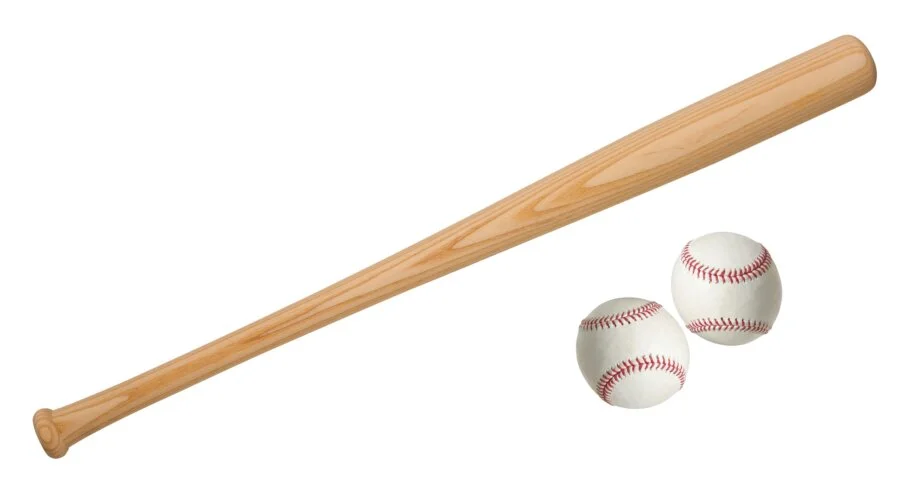
A baseball bat is far more than just a piece of sporting equipment; it is the primary tool that defines your performance on the diamond. Whether you are stepping up to the plate in a local league or just getting started with the sport, selecting the right bat is essential for developing your swing, ensuring safety, and boosting your confidence during the game.
To play baseball effectively, you need a bat that aligns with your specific skill level, age, and physical build. A well-matched bat improves your control, contact, and power. In this guide, we at Wellington Baseball will walk you through everything you need to consider—from choosing your ideal wooden baseball bat to finding the best equipment across New Zealand.
The first step in finding the right baseball bat nz is identifying what your specific game requires. Different skill levels and age groups have distinct needs, and selecting the wrong tool can hinder your growth on the field.
If you are new to the sport or have limited experience, your priority should be control and ease of use. Beginners often benefit from a lighter bat, which allows for a faster, more controlled swing. This helps you build consistent mechanics without the fatigue often caused by heavier gear.
For players at a recreational or intermediate level, the goal shifts toward enhancing power and accuracy. At this stage, you might start looking for bats that offer a larger “sweet spot.” An intermediate-level baseball bat helps you drive the ball with more authority as you refine your technique.
Advanced players at a competitive level need gear that maximizes their specific strengths. Whether you are a contact hitter needing high-speed precision or a power hitter looking for end-loaded weight distribution, your choice of material and design becomes critical. Top-tier bats often utilise cutting-edge composite technologies designed to provide the best possible exit velocity.

The material of your bat influences the feel, durability, and performance. New Zealand players have access to a wide variety, each suited to different levels of play.
| Material | Best For | Characteristics |
| Wooden Baseball Bat | Professional & Training | Classic feedback, helps refine hitting technique. |
| Aluminium | Beginners & Juniors | Highly durable, “hot” out of the wrapper, forgiving. |
| Composite | Intermediate & Advanced | Reduced vibration, balanced feel, high performance. |
A wooden baseball bat provides the ultimate test of a hitter’s skill. Many coaches in New Zealand recommend wood for practice because it forces the player to hit the ball squarely on the sweet spot. While less forgiving than composite, it is the standard for professional play and a vital tool for training.
Aluminium and composite bats have revolutionized the game for non-professional leagues. They are designed for durability and a significantly larger hitting area, making them ideal for high-school or recreational leagues where consistent performance is valued.
Selecting the wrong size can lead to poor swing mechanics and injury. Consider these factors before making your purchase:
Maximum Length: Use a standard size chart based on your height and age. A common test is to hold the handle and place the barrel against your leg; the knob should reach the centre of your palm.
The Concept of “Drop Weight”: The drop weight is the difference between the bat’s length (in inches) and its weight (in ounces). A higher drop weight (e.g., -10 or -12) indicates a lighter bat, perfect for younger players, whereas lower drop weights (e.g., -3) are used by older, stronger players.
Barrel Diameter: Younger leagues often require 2 ¼ inch barrels, while competitive play often utilizes the standard 2 ⅝ inch “big barrel” design for a better chance at solid contact.
A high-quality bat is a significant investment. Proper storage and cleaning are the keys to ensuring your gear lasts through many seasons of play in the variable New Zealand climate.
Always store your bat in a cool, dry environment. Avoid leaving it in the boot of your car during hot summer days, as extreme temperatures—both high and low—can affect the structural integrity of composite and aluminium materials.
Use a soft, damp cloth with a mild soap to wipe down your bat after games. Most importantly, conduct a regular safety check. Inspect your bat for:
Dents or Cracks: In aluminium bats, small dents can lead to structural failure.
Warping: Check for any curvature in the barrel, which can make the bat unsafe.
Handle Wear: Ensure the grip is secure and not unravelling.

Finding the right equipment in New Zealand involves balancing the convenience of online shopping with the tactile benefit of visiting a store.
Online Stores: Online retailers provide access to a massive variety of brands and models that may not be available locally. They are excellent for comparing specifications and user reviews. However, be mindful of shipping times and the inability to “feel” the weight distribution before buying.
Local Specialist Shops: Visiting a shop in person is invaluable for beginners. You can hold different bats, test the grip, and receive advice from experienced staff who understand the specific requirements of NZ leagues.

Take me out to the ball game! Let’s talk about baseball and the quintessential baseball bat. Baseball is a popular sport that dates to the mid-19th century in the United States.
The game involves two teams, each taking turns batting and fielding, with the objective of scoring runs by hitting a ball and advancing around a series of bases.
The baseball bat is the primary tool used by the offensive team to strike the ball.
Baseball has been a staple sport since the mid-19th century. In its infancy, players relied on anything they could find—often broom handles or irregular tree branches. These makeshift bats made consistent contact nearly impossible.
In 1884, a woodworker named John “Bud” Hillerich crafted a custom bat for a professional player, Pete Browning. The result was a dramatic improvement in the player’s performance. This led to the formation of the Hillerich & Bradsby Company, the makers of the famous Louisville Slugger. This marked the birth of the standardized, round-barrel bat we recognize today.
Professional leagues eventually mandated specific dimensions and wood types, typically ash or maple, to ensure fairness and safety. These regulations govern everything from the handle thickness to the barrel diameter, maintaining the integrity of the game.
In recent years, other woods like maple and birch have also gained popularity in bat manufacturing. Additionally, aluminum bats were introduced in the 1970s, offering increased durability and a larger sweet spot. However, professional baseball still mandates the use of wooden bats. Regulations have been put in place to standardize bat dimensions, weight, and materials to ensure fair play and player safety.
The term “baseball bat” is a practical piece of sporting nomenclature. “Bat” itself derives from Old English, originally referring to a club or heavy stick. When baseball emerged as a codified sport, it needed a specific identifier to distinguish its hitting implement from other sports using clubs (like cricket). By pairing “baseball” with “bat,” a clear, standardized term was established for all players and officials.
For a beginner, the best bat is one that feels light and balanced. Look for a bat with a higher “drop weight” to ensure you can swing it with speed and control.
Wooden bats are ideal for training and professional-level play, as they require precise contact. Metal (aluminium) or composite bats are typically preferred for youth and recreational leagues due to their durability and larger sweet spots.
Baseball and softball bats are constructed differently to match the speed and size of their respective balls. A softball bat is generally longer and has a different weight distribution to handle the larger, softer softball. Always check your league’s specific requirements.
Yes, most local leagues in New Zealand follow international standards set by bodies like the WBSC or specific MLB-aligned rules for older age groups. Always check with your local club before purchasing a new bat.
If you notice cracks in a wood bat, dents in an aluminium bat, or “webbing” (a spiderweb pattern of cracks) on a composite bat, it is time to replace it. For youth players, you will typically need a new bat every year as they grow.
Absolutely. Many players use “weighted” training bats to build muscle memory and increase swing speed. However, these are not meant to be used in games, only for pre-game or practice drills.
The grip is a matter of personal preference. Most bats come with a standard grip, but you can add aftermarket tape to increase thickness, improve tackiness, or reduce vibration in your hands.
Many local clubs have partnerships with suppliers, or you can find high-quality gear at dedicated sports retailers that specialise in team sports. Ensure the retailer offers a warranty on their bats.