
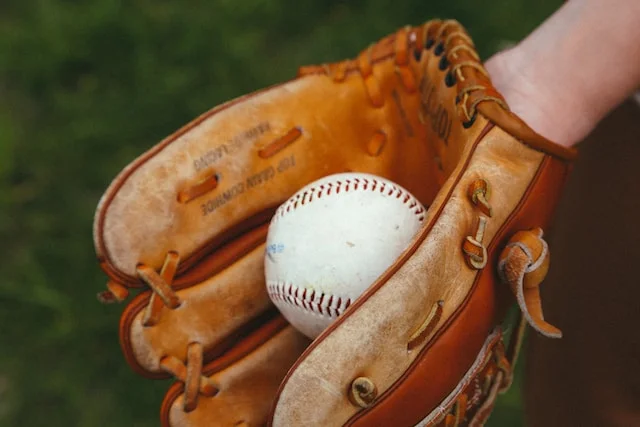
A brand-new baseball glove looks the part straight out of the box, but it plays like a piece of plywood. Whether you are a player getting ready for the season or a parent who just wants to play catch in the backyard, breaking in the leather is the step that turns a stiff shell into a reliable tool. As baseball grows in popularity around the world, more Kiwi players are discovering that a properly broken-in glove is the difference between a clean catch and a ball on the ground. This guide explains why break-in matters, the methods that genuinely work, and the popular shortcuts that quietly ruin gloves.
Key Points
- Playing catch is the best method — nothing shapes the pocket and softens leather better than regular use.
- Use a mallet to pound the pocket and hinge points, with only a little warm (not hot) water if needed.
- Condition sparingly — a dime-sized amount of a purpose-made glove conditioner is plenty.
- Wrap the glove around a ball overnight to hold and deepen the pocket.
- Avoid heat and chemicals: no ovens, microwaves, boiling water or modern shaving cream — they dry out and crack the leather.
- Be patient: most gloves take one to four weeks depending on leather grade.
Why a new glove needs breaking in
Pick up a new glove and the first thing you notice is that it is stiff as a board. Leather is durable enough to absorb the impact of a hard baseball for years, but that same toughness makes a fresh glove almost impossible to close. When you catch a ball with an unbroken-in glove, it often pops straight back out and lands on the ground.
Breaking in the glove does two things. It softens the leather so you can squeeze the glove shut around the ball, and it shapes a pocket — the shallow well in the palm where the ball is meant to land and stay. A well-formed pocket and flexible hinge points let the glove close on its own the moment the ball hits it. Depending on the grade of leather, reaching that point can take anywhere from a few days to a few weeks of consistent effort.
Start with the right glove
Break-in is easier — and the finished pocket is better — when the glove suits your position and hand in the first place. Gloves are measured in inches from the heel of the palm to the tip of the index finger (catcher’s mitts are measured by circumference instead).
- Infielders: roughly 11 to 11.75 inches, with a shallower pocket for quick transfers to the throwing hand.
- Outfielders: roughly 12.5 to 13 inches, with a deeper pocket and more reach for tracking fly balls.
- Catchers: a heavily padded mitt of about 32 to 34 inches in circumference.
- Younger players: a smaller, more flexible glove they can actually close matters more than size.
Leather grade also affects the timeline. Cheaper synthetic or treated leather is game-ready almost immediately, while premium full-grain leather takes longer to break in but holds its shape far better once it does. If you are still choosing gear, our guide to how to play baseball and the rundown of the right baseball bat cover the rest of the kit.
Methods that work
Several methods reliably soften leather and form a pocket. The best approach usually combines a couple of them, and none of them involves extreme heat.
Play catch (the old-fashioned way)
By far the most reliable method is simply using the glove. The more you catch with it, the more the leather softens and moulds to your hand. Twenty minutes of catch a day works the natural hinge points exactly where they need to flex, and it costs nothing. If you have no partner, lie back and toss a ball into the air, or throw it against a wall. Playing catch also builds the fundamentals covered in our guide to baseball throwing accuracy, so the break-in doubles as practice.
Work the pocket with a mallet
A glove mallet is a wooden tool with a rounded, ball-shaped head. Pound the pocket, palm and hinge areas repeatedly to soften the leather and pre-form the well where the ball will land. You can also pound with a fist or an old ball if you do not own a mallet. A little warm — not hot — water lightly worked into the pocket can make the leather more receptive, but keep it to a minimum: too much moisture dries the leather out as it evaporates. Never soak the glove.
Condition the leather — sparingly
Reputable brands sell conditioners and treatments (such as Rawlings Glovolium) designed to soften leather and keep it supple. A dime-sized amount rubbed in with a clean cloth is plenty. The leather should still offer resistance when you push and pull on it afterwards; if it feels heavy or greasy, you have used too much, and over-oiling adds weight and breaks the leather down over time.
Wrap it around a ball
Between sessions, place a ball in the pocket, fold the glove around it and secure it with a couple of thick rubber bands, a belt or a glove wrap. Leave it overnight in a dry, room-temperature spot. This holds the shape you are forming and deepens the pocket without any heat or chemicals.
Methods to avoid
Plenty of break-in tricks circulate online. Some sound clever; several will shorten the life of an expensive glove. Rawlings and Wilson both warn against heating gloves, and steaming can even void a warranty.
Do not bake it in the oven or microwave
The idea is that heat softens leather — and it does, briefly. But the concentrated dry heat of an oven or microwave pulls moisture out of the leather and laces, leaving them brittle and prone to cracking within days. It is also a genuine fire hazard. Skip it.
Skip the shaving cream
This trick worked decades ago because shaving creams contained lanolin, a natural oil that conditions leather. Almost no modern shaving cream still uses lanolin; today’s formulas are full of synthetic compounds that can dry out and degrade the leather instead. Use a purpose-made glove conditioner instead.
Be cautious with steaming and hot water
Store steaming and boiling-water methods promise a fast break-in, but the intense heat weakens the leather fibres and lacing, can shrink the glove and shortens its lifespan. Several manufacturers state that steaming voids the warranty on premium gloves. If you want speed, combine daily catch with light conditioning and a mallet rather than reaching for heat.
Method Comparison
| Method | How it works | Typical time | Risk to the glove |
|---|---|---|---|
| Playing catch | Repeated real use softens leather and forms the pocket naturally | 1–4 weeks | None |
| Glove mallet | Pounds and pre-forms the pocket and hinge points | Speeds up other methods | Low |
| Light conditioner/oil | Softens and protects the leather in small amounts | Ongoing | Low if used sparingly; high if over-applied |
| Wrap around a ball | Holds shape and deepens the pocket overnight | Overnight, repeated | None |
| Oven / microwave | Heat softens briefly then dries the leather out | Fast but temporary | High — cracking, brittle laces, fire risk |
| Boiling water / steaming | Heat weakens fibres and lacing | Fast but temporary | High — may void warranty |
| Shaving cream | Once used lanolin; modern formulas add harmful chemicals | — | High — dries and degrades leather |
Caring for your glove afterwards
Once the glove is broken in, a little maintenance keeps it that way for years. Store it in a cool, dry place with a ball in the pocket to hold the shape, and never leave it in a hot car or in direct sun. Wipe off dirt after games and apply a light coat of conditioner once or twice a season — no more. Check the laces periodically and re-tie or replace any that loosen. The same common-sense care that keeps a baseball cap in good shape applies to leather gloves too. If you are new to the game, our guide on what to expect at your first baseball practice is a good next read.
How long does breaking in take?
There is no single answer, because it depends on the leather grade and how often you use the glove. Softer entry-level leather can be game-ready in a few days, while a premium glove may take two to four weeks. A realistic plan for most gloves is light conditioning, a few minutes with a mallet, and about 20 minutes of catch a day — that usually gets a glove to roughly 80% game-ready inside one to two weeks. The finishing touch always comes from real use, so the honest advice remains the same: get out there and play catch.
Sources
Frequently Asked Questions (FAQ)
What is the fastest safe way to break in a baseball glove?
Combine three gentle methods: apply a small amount of glove conditioner, work the pocket and hinges with a mallet or a ball, and play catch for around 20 minutes a day. Most gloves feel close to game-ready within one to two weeks this way, without the damage that heat-based shortcuts cause.
Can I put my glove in the oven or microwave?
No. Concentrated dry heat softens the leather only briefly before drying it out, making it brittle and cracking the laces. It is also a fire risk, and manufacturers advise against it. Stick to catch, a mallet and light conditioning.
How much oil or conditioner should I use?
Very little — about a dime-sized amount rubbed in with a clean cloth. The leather should still offer resistance afterwards. Over-oiling adds weight, softens the glove too much and breaks the leather down over time, so less is genuinely more.
Should I use warm water on my glove?
A small amount of warm (never hot or boiling) water worked lightly into the pocket can help the leather flex while you use a mallet. Do not soak the glove; excess water dries it out as it evaporates. Boiling water and store steaming can weaken the leather and may void the warranty.
How do I keep a broken-in glove in good shape?
Store it in a cool, dry place with a ball in the pocket to hold its form, keep it out of hot cars and direct sun, wipe off dirt, condition it lightly once or twice a season, and check the laces regularly. Regular play keeps the pocket working as it should.