Keeping young players safe is the foundation of enjoyable junior baseball in the Wellington region. For parents and coaches, that means three things above all: correctly fitted protective equipment, sensible limits on how much a child pitches, and awareness of local conditions such as New Zealand’s intense ultraviolet (UV) radiation and Wellington’s famous wind. This guide walks through the practical precautions used across Wellington clubs and explains the reasoning behind each one, so families new to the sport can help their children play with confidence.
New Zealand junior baseball blends international safety standards — chiefly the MLB and USA Baseball “Pitch Smart” arm-care programme and NOCSAE equipment certification — with local practice suited to Kiwi grounds and weather. Because games often run for a couple of hours on multi-use grass parks, a little preparation around gear, sun, hydration and the playing surface prevents most common injuries before they happen.
Key Safety Points
- Protective gear: NOCSAE-certified double ear-flap batting helmets; full catcher’s gear with an attached throat guard; a correctly fitted athletic cup for the grades that require it.
- Pitch Smart limits: stick to the daily pitch cap and rest days for the player’s age to protect developing arms.
- Sun and heat: “Slip, Slop, Slap, Wrap” — at least SPF 30, a hat, sunglasses, shade and steady hydration.
- Field and wind: a pre-game field walk, clear calling for the ball, and the ready position for unpredictable bounces.
- Head knocks: no same-day return; follow ACC’s graduated return-to-play with medical clearance — when in doubt, sit them out.
Mandatory Protective Equipment for Junior Players
Organised club baseball asks every batter and baserunner to wear a double ear-flap batting helmet. The most important marker to look for is the moulded stamp reading “Meets NOCSAE Standard” — NOCSAE (the National Operating Committee on Standards for Athletic Equipment) sets the projectile-impact standard for batting helmets. A helmet must fit snugly: if it shifts when the child runs or shakes their head, it is too big and offers less protection against a wild pitch. Catchers wear the most gear of anyone on the field, including a mask with an attached throat guard, a chest protector and leg guards.
Getting the Helmet and Cup Fit Right
Parents new to the sport often overlook the athletic supporter, or cup. In competitive junior grades it is treated as standard kit for the positions and ages a club specifies, because a “bad hop” ground ball can strike a player anywhere. A well-fitted cup stays in place through a full sprint or a slide. Helmets should be checked regularly for cracks in the shell or crushed internal foam, which can happen when a helmet is repeatedly dropped on a hard dugout floor. If you are still building a kit, our guide to choosing a baseball bat for kids in NZ pairs well with getting protective gear sorted.
Understanding Pitch Counts and Arm Health
One of the biggest injury risks in youth baseball is overuse of a developing throwing arm, which can lead to elbow and shoulder problems while a child’s growth plates are still forming. The widely used Pitch Smart framework sets a maximum number of pitches per day by age and requires rest based on how many pitches were thrown. For example, a 10-year-old is capped at 75 pitches in a day, and any pitcher aged 7–14 who throws 66 or more pitches must rest four full days before pitching again. No pitcher should appear on the mound three days in a row.
Pitch Smart Age Limits
| Age group | Daily maximum | Rest required |
|---|---|---|
| 7–8 | 50 pitches | 36–50 pitches = 2 days; no more than 50 in a day |
| 9–10 | 75 pitches | 66–75 pitches = 4 days rest |
| 11–12 | 85 pitches | 66+ pitches = 4 days rest |
| All ages 7–14 | — | 41+ pitches: cannot play catcher that day; never pitch 3 days in a row |
Rest Days and the Pitcher-to-Catcher Rule
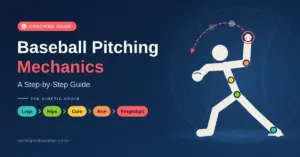
Pitch Smart also limits moving between the two most arm-intensive positions. A pitcher who throws 41 or more pitches in a day is not permitted to move to catcher for the rest of that day, because the catcher is involved in every play and adds cumulative load to the arm. To make this workable, an official scorer or coach counts every pitch during the game. Understanding sound pitching mechanics and the catcher’s role helps parents see why these limits matter for long-term health.
Sun Safety and Hydration in the New Zealand Climate
New Zealand has some of the highest UV levels in the world, and Wellington’s coastal breeze can make the air feel cooler than the sun actually is. Clubs follow the SunSmart “Slip, Slop, Slap, Wrap” message: cover up, seek shade, apply sunscreen, wear a wide-brimmed hat and wrap on sunglasses. The Cancer Society recommends sunscreen of at least SPF 30, applied generously about 20 minutes before play and reapplied every two hours. UV is most intense between roughly 10am and 4pm from September to April — exactly when most junior games are played.
Managing Heat on Long Tournament Days
During tournaments or Sunday double-headers, players can be at the park for many hours. Encourage “active hydration” — drinking water before they feel thirsty rather than after. Where a ground has no permanent dugout, clubs often set up gazebos to create a shaded cool zone while a team is batting. Coaches and parents should watch for signs of heat stress such as unusual lethargy, headache or irritability, and act early.
Field Safety: Wind and Surface Conditions
Wellington’s wind adds a real complication: strong gusts can push a fly ball off its expected line, so children need clear communication and tracking skills to avoid collisions in the outfield. Many local diamonds sit on multi-use parks shared with winter codes, which can leave lips or uneven patches where the grass outfield meets the dirt infield — a tripping hazard and a cause of unpredictable bounces. A pre-game “field walk” to spot holes, sprinkler heads or debris is a simple, effective habit.
Staying in the Ready Position
Teaching kids to stay in an athletic ready position — knees bent, weight on the balls of the feet — lets them react quickly to an erratic bounce. Fielders should be coached to keep the glove up and in front of the face when tracking high balls in the wind, and to call loudly for the ball to prevent two players converging on it. Groundskeeping such as raking the sliding areas around the bases also reduces ankle injuries.
Safe Hitting and Base Running
In the batter’s box, safety is mostly about awareness. New players must learn never to fling the bat after a hit, as a thrown bat can strike the catcher or umpire; the habit to build is simply dropping it. On the bases, a controlled slide is often the safest way to reach a base because it lowers the chance of a collision. In many junior grades, head-first sliding is not allowed for younger age groups to protect the neck and fingers, and runners are taught to run through first base within the marked runner’s lane.
Building Confidence Against the Ball
Fear of a hard ball is a normal hurdle for beginners, and the answer is graded progression rather than pressure. Younger grades typically start with reduced-impact or softer-core balls so children can learn to catch and hit without heavy bruising. As they advance, players learn to turn away from an inside pitch so any contact lands on the back or shoulder rather than the face. Some families add a helmet face guard (a “C-Flap”) for extra jaw protection, and some pitchers wear a lightweight chest guard against balls hit back at the mound.
The Role of Coaches, Umpires and Parents
Match-day safety is a shared job. The umpire checks bats and helmets before play and removes anything cracked, dented or lacking certification. Coaches run a proper warm-up so arms are loose before any high-effort throwing — important in Wellington, where muscles cool quickly between innings — and enforce the on-deck rule so only one supervised player handles a bat outside the dugout at a time. Parents help most by monitoring hydration and sunscreen and by knowing where the first-aid kit is. If your family is just starting out, see our guides to getting your child into baseball in NZ and what to expect at your first baseball practice.
First Aid and Concussion
Clubs keep a stocked first-aid kit at every practice and game, typically including instant cold packs, eye wash and strapping tape, and many have a first-aid-trained coach on hand. Serious incidents follow the standard 111 emergency process. For head knocks, New Zealand community sport uses ACC’s National Concussion Guidelines: a player with a suspected concussion is removed immediately and does not return to play on the same day. Return follows a symptom-guided, step-by-step process with medical clearance, and community guidelines set minimum stand-down periods before full-contact training and competition. The simple rule for coaches and parents is: when in doubt, sit them out.
Winter Training and Off-Season Arm Care
Many players move indoors over Wellington’s wet winter. Indoor training removes wind and sun but brings its own points to watch: hard floors are tougher on joints, so turf shoes or clean trainers replace outdoor cleats, and the confined space of a batting cage makes supervised, one-at-a-time bat handling essential. Winter is also the ideal time for low-impact arm care such as resistance-band work to strengthen the small stabilising muscles of the shoulder, which reduces early-season injuries when competition resumes. Age-appropriate baseball drills for youth players keep this productive without overloading young arms.
Building a Safety-First Culture
Safety habits stick best when they are part of a club’s culture. When senior players model correct helmet use and respect pitch counts, juniors follow. It helps to frame safety not as a limit on fun but as what allows children to keep playing the game for years. That culture also includes emotional wellbeing: an environment where kids can make mistakes without ridicule lowers stress and, in turn, leads to more controlled, safer play. Parents looking for broader background reading on habit-building and youth development can find general material online, including on Wikipedia. To connect with the wider local scene, our overview of Little League baseball in Wellington is a good next read.
Disclaimer: This article is general information about junior baseball safety, not medical advice. For injuries, suspected concussion or specific health questions, follow your club’s protocols and seek advice from a qualified medical professional. Always defer to the current rules of Baseball New Zealand and your local association.
Sources
- MLB Pitch Smart — Guidelines for Youth and Adolescent Pitchers
- USA Baseball — Updates to the Pitch Smart Program
- Baseball New Zealand — Little League
- Baseball New Zealand — KiwiBall
- NOCSAE — Baseball and Softball Standards
- ACC — Sport Concussion in New Zealand: National Guidelines
- SunSmart NZ — Be SunSmart
- Cancer Society New Zealand — SunSmart
Vanliga frågor (FAQ)
What is the most important piece of safety gear for a beginner?
The batting helmet. It protects against the most serious risk in the sport — impact from a pitched or thrown ball — so it should be NOCSAE-certified and fitted snugly.
How do I know if my child is pitching too much?
Follow the Pitch Smart daily limits and rest tiers for your child’s age, and make sure a coach or scorer keeps an official pitch count each game. Any pain in the elbow or shoulder means stopping and resting.
What sunscreen and sun protection should players use?
Use at least SPF 30 broad-spectrum sunscreen, applied about 20 minutes before play and reapplied every two hours, plus a hat, sunglasses and shade. UV is strongest from about 10am to 4pm, September to April.
Can my child wear rugby or football boots for baseball?
It is better to use baseball-specific moulded cleats. Long studs can give poor traction on the dirt infield and can be unsafe in slides, and many junior grades restrict metal spikes.
What happens if a player gets a suspected concussion?
They are removed straight away and must not return to play that day. Return follows ACC’s symptom-guided graduated process with medical clearance and the required stand-down before full contact and competition.