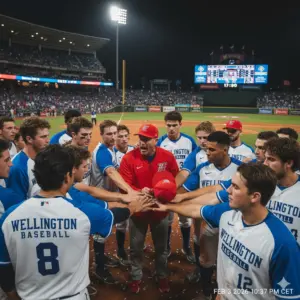

Youth & Community Baseball represents the heartbeat of the diamond sports scene in the Wellington region, offering a structured pathway for players ranging from five-year-olds in "Kiwi Ball" to active adults in social community leagues. This comprehensive guide explores the regional club networks across the Hutt Valley, Porirua, Kapiti, and Wellington City, detailing how families can transition from casual backyard play to sanctioned competitive divisions. We examine the essential equipment requirements, safety protocols for junior development, and the volunteer-driven infrastructure that sustains the sport during the New Zealand summer months. By focusing on skill acquisition, professional coaching standards, and the inclusive "All-Stars" representative pathways, this article provides a roadmap for anyone looking to join the growing community of baseball enthusiasts in the capital, ensuring a positive experience for players and supporters alike.
- Regional Catchment: Identification of clubs across Wellington, Porirua, and the Hutt Valley.
- Player Pathways: Developmental stages from Kiwi Ball to U13, U16, U19, and Senior grades.
- Safety Standards: Strict adherence to "Pitch Smart" arm-care rules and mandatory protective gear.
- Volunteer Culture: The role of "The Blue Crew" (umpires) and club committees in sustaining local play.
- Seasonal Timing: Aligning with the NZ summer sports calendar from October through March.
Regional Catchment: Identification of clubs across Wellington, Porirua, and the Hutt Valley.
Player Pathways: Developmental stages from Kiwi Ball to U13, U16, U19, and Senior grades.
Safety Standards: Strict adherence to "Pitch Smart" arm-care rules and mandatory protective gear.
Volunteer Culture: The role of "The Blue Crew" (umpires) and club committees in sustaining local play.
Seasonal Timing: Aligning with the NZ summer sports calendar from October through March.

Understanding the Regional Club Structure and Catchments
The structure of Youth & Community Baseball in the capital is overseen by the Wellington Baseball Association (WBA), which coordinates play across several geographically defined clubs. Unlike some sports where you can join any team, baseball in Wellington encourages a "catchment" model to build local community pride and reduce travel times for families. Whether you are based in the Northern Suburbs, the Eastern Bays, or out on the Kapiti Coast, there is a dedicated club providing coaching and diamond access. These clubs act as the primary entry point for new families, managing registrations via the Sporty NZ platform and organizing the essential "Have a Go" days that precede the official season opening in October.
Identifying Your Local Baseball Community
Selecting the right club is the first step toward long-term engagement with the sport. Each club has its own distinct culture, with some focusing heavily on the elite U16 and U19 representative pathways, while others prioritize the "Kiwi Ball" and social senior divisions. Residents of Johnsonville and Tawa typically align with North Wellington, while those in Lower and Upper Hutt join the Hutt Valley Hornets. Porirua residents benefit from the high-energy environment at Ascot Park, and Kapiti families have a growing hub at Te Atiawa Park. Understanding these boundaries ensures players compete alongside school friends and neighbors, fostering a tighter community bond.
- North Wellington: Serving the city and northern suburbs from Ian Galloway Park.
- Hutt Valley: A historic stronghold for diamond sports based in Lower Hutt.
- Porirua: Utilizing the dedicated diamonds at Ascot Park for all junior grades.
- Kapiti Coast: Providing a vital link for players in the northern reaches of the region.
North Wellington: Serving the city and northern suburbs from Ian Galloway Park.
Hutt Valley: A historic stronghold for diamond sports based in Lower Hutt.
Porirua: Utilizing the dedicated diamonds at Ascot Park for all junior grades.
Kapiti Coast: Providing a vital link for players in the northern reaches of the region.
| Club Name | Primary Ground | Best For |
| North Wellington | Ian Galloway Park | Junior and Senior Premier development |
| Porirua Baseball | Ascot Park | High-repetition youth coaching |
| Hutt Valley | Whakatiki Park | Family-oriented community play |
| Kapiti Baseball | Te Atiawa Park | Regional growth and grassroots entry |
The Kiwi Ball Pathway: Starting the Journey
For the youngest members of the Youth & Community Baseball community, the journey begins with Kiwi Ball. This modified version of the game is specifically designed for children aged 5 to 9, focusing on the absolute fundamentals of hand-eye coordination, base running, and team cooperation. In Kiwi Ball, the pressure of "live arm" pitching is replaced by the batting tee or a coach-toss system, ensuring that every child gets multiple opportunities to hit the ball and run the bases. This stage is less about the final score and more about building the confidence required to transition into the "hardball" divisions as they grow older.
Transitioning from T-Ball to Junior Hardball
As children graduate from Kiwi Ball, they enter the U13 (Intermediate) division, where the real tactical complexity of baseball begins. This is where players learn the "6-3" groundout, the nuances of the strike zone, and the basics of pitching mechanics. WBA clubs place a massive emphasis on "Safety Balls" or Reduced Injury Balls (RIBs) during this transition phase to minimize the fear of impact. Coaches focus on teaching kids how to "tuck and roll" if a ball is thrown near them, ensuring that the physical aspects of the game are mastered in a controlled, safe environment.
- Ages 5-7: Focus on T-Ball mechanics and fundamental motor skills.
- Ages 8-9: Introduction to "Coach Pitch" to develop timing and tracking.
- Ages 10-12: Transition to the U13 grade with live pitching and base stealing.
- Equipment: Introduction of the leather glove and molded plastic cleats.
Ages 5-7: Focus on T-Ball mechanics and fundamental motor skills.
Ages 8-9: Introduction to "Coach Pitch" to develop timing and tracking.
Ages 10-12: Transition to the U13 grade with live pitching and base stealing.
Equipment: Introduction of the leather glove and molded plastic cleats.
| Grade | Ball Type | Pitching Method |
| Kiwi Ball (Junior) | Foam/Soft Core | Batting Tee |
| Kiwi Ball (Senior) | Safety Ball (RIB) | Coach Underhand Toss |
| U13 Division | Standard Leather | Youth Player Pitch (60ft) |

Competitive Youth Divisions: U16 and U19 Development
Once players enter the U16 and U19 brackets of Youth & Community Baseball, the intensity and technical requirements increase significantly. These divisions follow full international rules, utilizing 90-foot base paths and professional-grade mounds. For many Wellington athletes, this is the stage where they begin to specialize in specific positions, such as catching or pitching. The WBA facilitates a competitive league schedule where teams travel between regional parks, providing a "touring" feel to the season that prepares players for the rigors of national championship tournaments held annually in Auckland or Christchurch.
High-Performance Pathways and US College Aspirations
The U19 grade serves as the primary scouting ground for the Wellington "All-Stars" and the New Zealand national teams (the Diamondblacks). It is not uncommon for elite youth players in Wellington to secure scholarships to American Junior Colleges or Universities based on their performance in these local leagues. Clubs support these aspirations by providing advanced video analysis, speed-tracking technology, and off-season strength and conditioning programs. This high-performance culture coexists with the community spirit, as older youth players are often encouraged to mentor the younger Kiwi Ballers, creating a sustainable cycle of knowledge.
- Skill Focus: Mastery of the rotational swing and high-velocity throwing.
- Tactical IQ: Deep understanding of the "Infield Fly Rule" and situational defense.
- National Reps: Opportunity to trial for Wellington representative "All-Star" teams.
- Mentorship: Older players often assist in coaching junior grades.
Skill Focus: Mastery of the rotational swing and high-velocity throwing.
Tactical IQ: Deep understanding of the "Infield Fly Rule" and situational defense.
National Reps: Opportunity to trial for Wellington representative "All-Star" teams.
Mentorship: Older players often assist in coaching junior grades.
| Development Area | U16 Focus | U19 Focus |
| Pitching | Introduction to curveballs/changeups | Velocity and command mastery |
| Batting | BBCOR bat transitions | Wood bat proficiency for reps |
| Defense | Positional specialization | Complex situational awareness |
Community Baseball for Adults: Social and Reserve Grades
Youth & Community Baseball isn't strictly for the kids; the Wellington region boasts a thriving adult community league structure. The "Senior Reserve" and "Social" grades are designed for adults who may have played in their youth or are picking up a glove for the first time in their 20s or 30s. These leagues prioritize the social aspect of the diamond, often playing modified doubleheaders on Sunday afternoons. It is a space where expats from baseball-loving nations like the USA, Japan, and the Dominican Republic mingle with local Kiwis, creating a diverse and welcoming sporting subculture in the capital.
The Rise of 'Sunday Ball' Culture
The adult community leagues in Wellington have seen a surge in popularity as a summer alternative to traditional club sports. Because baseball is played on Sundays, it doesn't conflict with many other winter or Saturday-morning sports, making it a viable "second sport" for many athletes. The games are characterized by a competitive but fair spirit, where a post-match BBQ or a visit to a local sponsor's venue is as much a part of the day as the innings played. This adult tier ensures that baseball remains a "sport for life" in the Wellington community.
- Inclusivity: Grades available for absolute beginners and "weekend warriors."
- Expats: Strong participation from the international community living in Wellington.
- Scheduling: Games predominantly held on Sundays to avoid Saturday sports clashes.
- Infrastructure: Access to professional diamonds like Ian Galloway and Ascot Park.
Inclusivity: Grades available for absolute beginners and "weekend warriors."
Expats: Strong participation from the international community living in Wellington.
Scheduling: Games predominantly held on Sundays to avoid Saturday sports clashes.
Infrastructure: Access to professional diamonds like Ian Galloway and Ascot Park.
| League Type | Skill Level | Competitive Intensity |
| Senior Premier | Elite / Representative | Very High |
| Senior Reserve | Experienced / Competitive | High |
| Social Grade | Beginner / Intermediate | Moderate |

Coaching and Volunteer Infrastructure: The Engine Room
The success of Youth & Community Baseball in New Zealand relies almost entirely on a dedicated army of volunteers. From the parents who rake the dirt on a Wednesday evening to the certified coaches who spend their weekends in the dugout, the "community" aspect is literal. Baseball New Zealand provides a structured coaching accreditation pathway (Level 1 through 3), which many Wellington volunteers complete to ensure they are teaching safe, modern mechanics. This volunteer-led model keeps registration fees affordable, ensuring that the sport remains accessible to a wide demographic of Wellington families.
The Role of 'The Blue Crew' and Official Scorers
Umpiring and scorekeeping are two of the most critical volunteer roles in the community. Known affectionately as "The Blue Crew," Wellington’s umpires undergo rigorous training to manage the complex rules of the game. Similarly, official scorers utilize the traditional paper-and-pencil method or modern apps to track the "Pitch Smart" counts that are vital for player safety. Without these volunteers, the competitive integrity of the youth leagues would be impossible to maintain. Clubs are always looking for new members to join these off-field teams, providing full training for those interested in the technical side of the sport.
- Coaching Clinics: Held annually in the pre-season to upskill parents and volunteers.
- Umpiring: A clear pathway from junior games to national tournament officiating.
- Groundskeeping: Community "working bees" to maintain the diamonds and batting cages.
- Committees: Administrative roles that manage club finances and gear procurement.
Coaching Clinics: Held annually in the pre-season to upskill parents and volunteers.
Umpiring: A clear pathway from junior games to national tournament officiating.
Groundskeeping: Community "working bees" to maintain the diamonds and batting cages.
Committees: Administrative roles that manage club finances and gear procurement.
| Volunteer Role | Primary Responsibility | Training Required |
| Head Coach | Skill development and game strategy | BNZ Level 1-2 Certified |
| Umpire | Rule enforcement and game safety | WBA Blue Crew Clinic |
| Scorer | Statistical tracking and pitch counts | Scoring Level 1 |
| Gear Manager | Uniform and equipment logistics | Internal Club Training |
Safety First: Protecting Young Arms and Bodies
A non-negotiable component of Youth & Community Baseball in Wellington is the focus on player safety, particularly regarding arm health. The "Pitch Smart" program is strictly enforced across all junior grades, dictating the maximum number of pitches a child can throw based on their age and the mandatory rest days required afterward. This prevents the "overuse" injuries that were common in the sport's early years. Additionally, the WBA mandates the use of protective gear, including heart guards for pitchers in certain grades and the mandatory use of athletic "cups" for all male players in competitive divisions.
Managing the Wellington Elements: Sun and Wind
Playing baseball in the New Zealand summer requires a proactive approach to environmental safety. The UV index in Wellington is exceptionally high, and because baseball games can last several hours, clubs are strict about the "Slip, Slop, Slap" policy. Many dugouts are equipped with community sunscreen stations, and players are encouraged to wear UV-rated sports sunglasses to protect their eyes and improve visibility in the capital's notorious wind. Managing hydration is also a key coaching responsibility, with mandatory water breaks during high-heat Sunday doubleheaders.
- Pitch Counts: Strict daily limits and rest periods to prevent "Little League Elbow."
- Helmets: Mandatory double-earflap helmets for all batters and baserunners.
- Catcher Safety: Full protective suits including throat guards and knee savers.
- Sun Safety: SPF 50+ application and the use of shaded dugout areas.
Pitch Counts: Strict daily limits and rest periods to prevent "Little League Elbow."
Helmets: Mandatory double-earflap helmets for all batters and baserunners.
Catcher Safety: Full protective suits including throat guards and knee savers.
Sun Safety: SPF 50+ application and the use of shaded dugout areas.
| Age Group | Max Pitches (Daily) | Mandatory Rest (if Max reached) |
| U13 | 75-85 | 4 Days |
| U16 | 95 | 4 Days |
| U19 | 105 | 4 Days |

Equipment and Uniforms: Gearing Up for the Season
For many families joining the Youth & Community Baseball scene, the initial investment in equipment can seem daunting. However, Wellington clubs work hard to lower these barriers. Most clubs provide shared team gear, including bats, helmets, and catcher’s equipment, for the junior grades. The primary personal item required is a baseball glove (mitt). Choosing the right glove size is essential for a child’s development; a glove that is too large will be difficult to close, while one that is too small offers insufficient protection. Many clubs host "swap meets" at the start of the season where families can buy or trade second-hand gear as kids outgrow their equipment.
Sourcing Baseball Specific Gear in New Zealand
Because baseball is a growing sport, finding specialized gear like "USA Baseball" certified bats or metal-cleat shoes often requires shopping at specialist NZ retailers like The Dugout (Auckland) or ordering through club-specific portals. Standard rugby or soccer boots can be used on the grass outfields, but molded baseball cleats offer better traction on the dirt infields. Uniforms are typically a point of pride; clubs provide the jerseys on a loan basis, while players are expected to purchase their own baseball pants, socks, and belts in the club's specific colors.
- Gloves: Infield, Outfield, and Catcher specific options available.
- Bats: Must meet specific certifications (USA or BBCOR) depending on the grade.
- Cleats: Molded plastic for juniors; metal allowed in U16/U19/Senior.
- Uniforms: Jerseys, pants, belts, and the iconic club baseball cap.
Gloves: Infield, Outfield, and Catcher specific options available.
Bats: Must meet specific certifications (USA or BBCOR) depending on the grade.
Cleats: Molded plastic for juniors; metal allowed in U16/U19/Senior.
Uniforms: Jerseys, pants, belts, and the iconic club baseball cap.
| Item | Necessity | Club Provided? |
| Baseball Glove | Mandatory | Sometimes (loaner sets) |
| Batting Helmet | Mandatory | Yes (Shared) |
| Baseball Bat | Mandatory | Yes (Shared) |
| Playing Uniform | Mandatory | Jersey (Loan), Pants (Self-purchase) |
The Social Side: Tournaments and Community Events
One of the highlights of the Youth & Community Baseball calendar is the regional and national tournament circuit. These events bring together clubs from across the country for multi-day festivals of baseball. For Wellington families, traveling to the Auckland United or Bayside Westhaven tournaments is a rite of passage. These trips foster deep friendships among players and parents alike, reinforcing the "baseball family" atmosphere. Locally, the WBA hosts "All-Star" days and community home-run derbies that celebrate the sport and provide a fun, relaxed environment for players of all skill levels to showcase their abilities.
Building Friendships Beyond the Diamond
The social impact of community baseball extends far beyond the final score. Because games have natural lulls and dugout time, players develop strong communicative bonds. It is a sport that rewards strategic thinking and patience, traits that translate well into other areas of life. Many Wellington clubs host "Movie Nights," "MLB World Series Watch Parties," and end-of-season awards galas that recognize not just the best players, but also the "Most Improved" and those who demonstrate the best sportsmanship and community spirit.
- Nationals: The pinnacle of the season for U13, U16, and U19 representative teams.
- Social Events: MLB watch parties and club-wide BBQs.
- Fundraising: Community sausage sizzles and gear drives to support club growth.
- End of Season: Regional awards ceremonies celebrating all grades.
Nationals: The pinnacle of the season for U13, U16, and U19 representative teams.
Social Events: MLB watch parties and club-wide BBQs.
Fundraising: Community sausage sizzles and gear drives to support club growth.
End of Season: Regional awards ceremonies celebrating all grades.
| Event Type | Timing | Target Audience |
| Regional Trials | September | Aspiring Representative Players |
| Opening Day | October | All Club Members |
| National Champs | March / April | U13, U16, U19 Teams |
| Club Awards | April | All Players and Families |

Representative Pathways: The Wellington All-Stars
For the most dedicated athletes within the Youth & Community Baseball system, the ultimate goal is selection for the Wellington All-Stars. These representative teams are hand-picked from the various regional clubs to compete as a unified Wellington force at the National Championships. Being an "All-Star" requires an additional commitment to training and a high level of physical fitness. These teams are often coached by former professional or international players, providing a "high-performance" environment that bridges the gap between community play and professional aspirations.
The Journey to the Diamondblacks
The Wellington All-Star program is a proven feeder for the New Zealand national team, the Diamondblacks. By competing against the best talent from Auckland and Canterbury, Wellington youth are exposed to the highest level of competition in the country. This exposure is critical for those looking to be scouted by Major League Baseball (MLB) organizations or US colleges. The WBA takes great pride in its "rep" culture, ensuring that these players act as ambassadors for the sport and their home region whenever they take the field.
- Scouting: National championships are the primary venue for international scouts.
- Elite Coaching: Access to high-level technical drills and tactical workshops.
- Travel: Representing the capital across New Zealand.
- Succession: Many All-Stars return to coach the next generation of Wellington talent.
Scouting: National championships are the primary venue for international scouts.
Elite Coaching: Access to high-level technical drills and tactical workshops.
Travel: Representing the capital across New Zealand.
Succession: Many All-Stars return to coach the next generation of Wellington talent.
| Rep Grade | Focus | Goal |
| U13 All-Stars | Fundamental Mastery | National Title Contention |
| U16 All-Stars | Tactical Specialization | International Selection (U15/U18) |
| U19 All-Stars | High Performance | US College / Pro Scouting |
Final Thoughts
Youth & Community Baseball in the Wellington region is more than just a collection of summer games; it is a thriving, inclusive ecosystem that fosters athletic development and community connection. From the first swing of a tee in Kiwi Ball to the high-stakes drama of a Senior Premier final, the sport offers something for every age and ability. Driven by a dedicated network of volunteers and a commitment to international safety standards, Wellington baseball continues to carve out its place in the New Zealand sporting landscape. Whether you are a parent looking for a dynamic new sport for your child or an adult seeking a social community on the diamond, the WBA and its regional clubs provide a welcoming home. As the sun sets over the diamonds at Ian Galloway or Ascot Park, the spirit of the game remains clear: baseball is a lifelong journey of skill, strategy, and community.
Frequently Asked Questions
What is the difference between Kiwi Ball and standard baseball?
Kiwi Ball is a modified version for children aged 5-9 that uses soft balls and tees (or coach pitch) to focus on fundamentals rather than competitive pitching.
When does the Wellington baseball season start?
The official season typically runs from late October through to the end of March, with a break over the Christmas and New Year period.
Which club should I join if I live in Porirua?
Residents of Porirua and surrounding areas should join the Porirua Baseball Club, which is based at the dedicated diamonds in Ascot Park.
Is baseball gear expensive for beginners?
While high-end gear can be costly, most Wellington clubs provide shared bats and helmets for junior grades. A beginner only truly needs their own glove.
How are the "All-Star" representative teams chosen?
Trials are held in the pre-season or mid-season, where coaches evaluate players based on hitting, fielding, throwing, and overall "baseball IQ."
Are girls allowed to play community baseball?
Absolutely. Baseball in New Zealand is a mixed-gender sport at all youth levels, and there is a growing movement for dedicated women’s baseball programs.
What happens if it rains on game day?
Decisions on "rain-outs" are usually made by the WBA or the home club early on Sunday morning and communicated via the Sporty app or social media.
Do I need to have played cricket to be good at baseball?
Not at all. While some hand-eye coordination transfers, the mechanics of a baseball swing and overhand throw are unique and taught from scratch at clubs.
How much are club registration fees?
Fees vary by club and age grade but generally range from $120 for Kiwi Ball to $350 for senior competitive grades, covering insurance and field levies.
How do I become a baseball umpire in Wellington?
The WBA holds "Blue Crew" clinics every pre-season for anyone interested in learning the rules and officiating games at any level.
External Resource: Baseball in New Zealand – Wikipedia