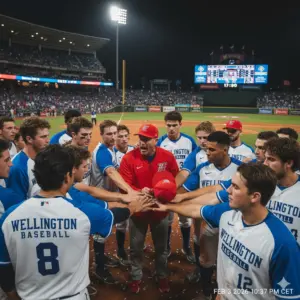

Wellington baseball teams provide a comprehensive sporting pathway that caters to athletes of all ages and skill levels, ranging from foundational Little League grades to elite Senior Premier competitions. This guide explores the regional club structures across the capital—including Wellington City, Hutt Valley, Porirua, and Kapiti—detailing how players transition from the soft-ball "Kiwi Ball" divisions to full-spec international hardball. We examine the specific age-grade requirements, the role of the Wellington Baseball Association (WBA) in governing local leagues, and the representative "All-Star" opportunities available for those seeking national honors. By understanding the seasonal calendar, equipment standards, and coaching philosophies unique to the Wellington region, families can effectively navigate the diamond sports landscape. Whether you are a parent looking for a dynamic youth sport or an adult seeking a competitive community, the Wellington baseball scene offers a structured and professional environment for everyone.

The ecosystem of Wellington baseball teams is built upon a volunteer-driven club model that ensures regional accessibility and community growth. Clubs act as the primary hubs for recruitment and training, operating under the umbrella of the Wellington Baseball Association to deliver weekly summer league play. This structure allows for a clear progression where players can develop their "Baseball IQ" in a safe, age-appropriate manner. From the social atmosphere of Sunday afternoon reserve games to the high-intensity environment of the National Club Championships, the sport continues to carve out a significant niche in the New Zealand summer sports market.
- Regional Hubs: Clubs are strategically located in Wellington City, Porirua, Lower Hutt, and the Kapiti Coast to serve local catchments.
- Player Pathways: The journey typically starts at age five in T-Ball, progressing through Major League (U13) and Junior/Senior League (U16/U19).
- Adult Competitions: Senior grades are divided into Premier (elite), Reserve (competitive), and Social (beginner-friendly) tiers.
- National Links: Wellington teams compete in national tournaments, providing a bridge to the New Zealand Diamondblacks national program.
- Safety Protocols: All teams adhere to "Pitch Smart" guidelines to protect young arms and mandatory protective gear requirements.
Regional Hubs: Clubs are strategically located in Wellington City, Porirua, Lower Hutt, and the Kapiti Coast to serve local catchments.
Player Pathways: The journey typically starts at age five in T-Ball, progressing through Major League (U13) and Junior/Senior League (U16/U19).
Adult Competitions: Senior grades are divided into Premier (elite), Reserve (competitive), and Social (beginner-friendly) tiers.
National Links: Wellington teams compete in national tournaments, providing a bridge to the New Zealand Diamondblacks national program.
Safety Protocols: All teams adhere to "Pitch Smart" guidelines to protect young arms and mandatory protective gear requirements.
Navigating the Local Club Catchments and Associations
Wellington baseball teams are organized into regional clubs that foster community identity and local rivalries. The Wellington Baseball Association (WBA) serves as the regional governing body, coordinating schedules, umpire training, and field maintenance across several key diamonds including Ian Galloway Park and Ascot Park. Each club, such as the Wellington City Pirates or the Hutt Valley Hornets, manages its own roster of teams across various grades. For new families, identifying the correct club is usually determined by geographical proximity, ensuring that practices are convenient and that children play alongside schoolmates. These clubs are the engine room of the sport, providing the coaching and administrative support necessary to sustain a summer-long competition.
Understanding the Regional Distribution
The distribution of clubs ensures that no matter where you live in the greater Wellington region, a diamond is within reach. Each club brings its own history and culture to the league, contributing to a diverse and inclusive sporting environment.
- Wellington City Pirates: Based in the central suburbs, focusing on a strong youth-to-senior pipeline.
- Porirua Baseball Club: Utilizing the dedicated diamonds at Ascot Park, known for high-energy junior programs.
- Hutt Valley Hornets: A historic club serving the Hutt Valley and Wairarapa, emphasizing family participation.
- Kapiti Coast Baseball: The northernmost hub, facilitating the growth of the sport in Paraparaumu and beyond.
Wellington City Pirates: Based in the central suburbs, focusing on a strong youth-to-senior pipeline.
Porirua Baseball Club: Utilizing the dedicated diamonds at Ascot Park, known for high-energy junior programs.
Hutt Valley Hornets: A historic club serving the Hutt Valley and Wairarapa, emphasizing family participation.
Kapiti Coast Baseball: The northernmost hub, facilitating the growth of the sport in Paraparaumu and beyond.
| Club Name | Primary Location | Catchment Area |
| Pirates | Ian Galloway Park | Wellington City, Western Suburbs |
| Porirua | Ascot Park | Porirua, Tawa, Mana |
| Hornets | Whakatiki Park | Lower Hutt, Upper Hutt, Wairarapa |
| Kapiti | Te Atiawa Park | Kapiti Coast, Otaki |
The Little League Journey: From Kiwi Ball to U13 Majors
The foundation of Wellington baseball teams is the Little League program, which focuses on skill acquisition and fun for children aged 5 to 12. "Kiwi Ball" is the introductory grade, where teams are formed in a non-competitive environment, often hitting off a tee or a slow coach-toss. As players move into the U13 Major League, the game transitions to "live arm" pitching, and the tactical depth of the sport increases. This stage is critical for developing fundamental mechanics such as the rotational swing and the "ready position" in the field. Wellington clubs prioritize "Safety Balls" (Reduced Injury Balls) in younger divisions to build confidence before players move to the standard hard leather baseball.
Developmental Milestones in Junior Baseball
The primary goal in the junior divisions is to build a well-rounded athlete who understands the rules and values of the game. Coaches focus on "Baseball IQ," teaching kids not just how to throw, but where the play should go.

- T-Ball (Ages 5-7): Mastering the mechanics of the swing and learning the basepaths.
- Rookie/Minor League (Ages 8-10): Introduction to tracking a moving ball and defensive positioning.
- Major League (Ages 11-12): The first level of competitive league play with player pitching and base stealing.
- Pitch Count Rules: Strict limits are placed on young pitchers to ensure long-term arm health.
T-Ball (Ages 5-7): Mastering the mechanics of the swing and learning the basepaths.
Rookie/Minor League (Ages 8-10): Introduction to tracking a moving ball and defensive positioning.
Major League (Ages 11-12): The first level of competitive league play with player pitching and base stealing.
Pitch Count Rules: Strict limits are placed on young pitchers to ensure long-term arm health.
| Junior Grade | Age Range | Ball Type | Pitching Method |
| Kiwi Ball (Junior) | 5 – 7 | Foam / Soft Core | Batting Tee |
| Kiwi Ball (Senior) | 8 – 9 | Safety Ball (RIB) | Coach Underhand Toss |
| U13 Major League | 10 – 12 | Standard Leather | Player Pitch (60ft) |
Teenage Competitive Tiers: U16 Junior and U19 Senior Leagues
As players enter their teenage years, Wellington baseball teams become increasingly specialized and follow international World Baseball Softball Confederation (WBSC) standards. The U16 and U19 divisions use full-sized diamonds with 90-foot base paths and a 60'6" pitching distance. At this level, the game becomes a high-speed strategic battle, requiring significant physical conditioning and technical mastery. Many Wellington youth players utilize these grades as a springboard for US college scouting or selection into the New Zealand "Diamondblacks" age-grade national teams. The competition is intense, with teams traveling across the region to compete in Saturday or Sunday doubleheaders.
Preparing for High-Performance Play
For many, these years represent the transition from recreational play to high-performance aspirations. Clubs support this by providing advanced coaching, video analysis, and off-season strength programs.
- Tactical Depth: Mastery of leadoffs, pickoffs, and complex defensive relay plays.
- Standardized Equipment: Use of BBCOR-certified bats to align with international safety and performance regulations.
- Representative Scouting: Regional league play serves as the primary trial ground for the Wellington All-Stars.
- Conditioning Focus: Emphasis on rotational power and explosive speed for base running.
Tactical Depth: Mastery of leadoffs, pickoffs, and complex defensive relay plays.
Standardized Equipment: Use of BBCOR-certified bats to align with international safety and performance regulations.
Representative Scouting: Regional league play serves as the primary trial ground for the Wellington All-Stars.
Conditioning Focus: Emphasis on rotational power and explosive speed for base running.
| Division | Base Distance | Pitching Distance | Typical Bat Spec |
| U16 Junior League | 90 Feet | 60′ 6″ | BBCOR -3 or Wood |
| U19 Senior League | 90 Feet | 60′ 6″ | BBCOR -3 or Wood |
| College/U21 | 90 Feet | 60′ 6″ | Wood Only (often) |
Senior Premier: The Pinnacle of Club Competition
The Senior Premier grade is the highest level for Wellington baseball teams, featuring the most skilled athletes in the lower North Island. This division is where the tactical complexity of the sport is fully realized, often involving seven-inning or nine-inning games that require deep pitching rotations and precise defensive execution. Many Premier players are former US college athletes or representative players, ensuring the quality of play remains at a professional standard. Games are a popular spectator event in Wellington, often held on Sunday afternoons, drawing crowds who appreciate high-velocity pitching and the sound of wooden bats.
Managing the Elite Roster
Premier teams are characterized by their specialization; players are no longer "utility" athletes but are instead locked into roles such as "closer," "leadoff hitter," or "defensive specialist."

- Wood Bat Tradition: The Premier grade predominantly uses wooden bats to mirror professional standards and test pure hitting ability.
- Sunday Doubleheaders: A staple of the Senior schedule, testing the endurance and pitching depth of the roster.
- International Imports: Some Wellington clubs host international players during the NZ summer to bolster competition.
- Playoff Intensity: The season culminates in a regional finals series that determines the top club in the capital.
Wood Bat Tradition: The Premier grade predominantly uses wooden bats to mirror professional standards and test pure hitting ability.
Sunday Doubleheaders: A staple of the Senior schedule, testing the endurance and pitching depth of the roster.
International Imports: Some Wellington clubs host international players during the NZ summer to bolster competition.
Playoff Intensity: The season culminates in a regional finals series that determines the top club in the capital.
| Position Role | Focus Area | Key Success Metric |
| Starting Pitcher | Endurance and command | ERA (Earned Run Average) |
| Power Hitter | Exit velocity and RBI | OPS (On-base Plus Slugging) |
| Shortstop | Range and arm strength | Fielding Percentage |
| Catcher | Framing and leadership | Pop Time (Throw to 2nd) |
Senior Reserve and Social Grade Community Teams
Not everyone playing for Wellington baseball teams is aiming for a professional contract; the Senior Reserve and Social grades provide a vital outlet for recreational athletes. These divisions are perfect for adults who are picking up a glove for the first time or for veterans who want to stay active in a social environment. The competition remains spirited, but the emphasis is shifted toward community, camaraderie, and the "Sunday Ball" culture. These teams are often a mix of parents, expats from baseball-loving nations, and local sports enthusiasts who enjoy the unique strategic pace of the diamond.
Inclusivity on the Diamond
The social grades are the fastest-growing sector of the Wellington association, as they provide a low-pressure entry point for newcomers. Clubs often run "Have a Go" sessions to introduce the basics of hitting and catching to prospective adult players.
- Flexible Rosters: Accommodating busy adult schedules while maintaining league integrity.
- Beginner Friendly: Coaches often play alongside beginners to provide real-time mentorship on the field.
- Multicultural Community: A hub for American, Japanese, and Latin American expats living in Wellington.
- Year-Round Engagement: Many social players also participate in indoor winter leagues to keep their skills sharp.
Flexible Rosters: Accommodating busy adult schedules while maintaining league integrity.
Beginner Friendly: Coaches often play alongside beginners to provide real-time mentorship on the field.
Multicultural Community: A hub for American, Japanese, and Latin American expats living in Wellington.
Year-Round Engagement: Many social players also participate in indoor winter leagues to keep their skills sharp.
| League Type | Intensity | Experience Level | Best For |
| Senior Reserve | High | Experienced / Competitive | Former youth players |
| Senior Social | Moderate | Beginner / Recreational | Newcomers & Parents |
| Masters (35+) | Moderate | Veteran | Experienced players over 35 |
The Wellington All-Stars: Representative Excellence
Selection for the Wellington All-Stars is the ultimate goal for players within the regional Wellington baseball teams' network. These representative teams are hand-picked from the various clubs to represent the capital at the National Club Championships. Being an All-Star requires a higher level of commitment, including additional training sessions and travel for national tournaments. This pathway is overseen by high-performance coaches who focus on advanced tactical scenarios and preparing athletes for the next level of play. Representing Wellington is a point of immense pride, and the All-Stars have a storied history of competing fiercely against the traditional powerhouses of Auckland and Canterbury.
Path to the National Stage
The All-Star program is divided into age-specific cohorts, ensuring that representative opportunities exist for everyone from the U13 level through to the Senior representative side.

- Scouting Process: Players are evaluated during regular club games by independent selectors.
- High-Performance Training: Intensive clinics focusing on velocity, launch angle, and defensive efficiency.
- National Championships: The pinnacle of the season, usually held in March across various NZ venues.
- Succession Planning: The program identifies talent early, providing a multi-year development roadmap for elite athletes.
Scouting Process: Players are evaluated during regular club games by independent selectors.
High-Performance Training: Intensive clinics focusing on velocity, launch angle, and defensive efficiency.
National Championships: The pinnacle of the season, usually held in March across various NZ venues.
Succession Planning: The program identifies talent early, providing a multi-year development roadmap for elite athletes.
| Rep Grade | Target Event | Selection Timing |
| U13 All-Stars | National U13 Championships | December Trials |
| U16 All-Stars | National Youth Championships | November Selection |
| U19 All-Stars | National U19 Championships | Ongoing Scouting |
| Senior Reps | National Club Final | Seasonal Performance |
Pitch Smart: Safety and Arm Care Regulations
A critical component of managing Wellington baseball teams is the strict adherence to "Pitch Smart" safety regulations. Because young arms are susceptible to overuse injuries, Baseball New Zealand and the WBA enforce mandatory pitch counts and rest periods for all junior and youth pitchers. These rules are monitored by official scorers and verified by umpires to ensure no player is over-extended. By prioritizing player safety over game results, Wellington teams ensure that their athletes can enjoy a long and healthy sporting career. This "arm care" philosophy extends to practice sessions, where coaches implement resistance band routines and proper warm-up mechanics.
Monitoring the Workload
Safety is not just a guideline; it is a rule of the game. If a pitcher reaches their daily limit, they must be removed from the mound immediately, and their mandatory rest days begin from that moment.
- U13 Limit: Typically capped at 75-85 pitches per day with 4 days of rest if the maximum is reached.
- Catcher-Pitcher Rules: Restrictions exist on players moving from the high-volume catching role to the pitching mound on the same day.
- Recovery Protocols: Teams emphasize active recovery, including light throwing and mobility work following a game appearance.
- Parent Education: Clubs hold sessions to teach parents how to monitor their child's throwing volume at home.
U13 Limit: Typically capped at 75-85 pitches per day with 4 days of rest if the maximum is reached.
Catcher-Pitcher Rules: Restrictions exist on players moving from the high-volume catching role to the pitching mound on the same day.
Recovery Protocols: Teams emphasize active recovery, including light throwing and mobility work following a game appearance.
Parent Education: Clubs hold sessions to teach parents how to monitor their child's throwing volume at home.
| Age Group | Daily Max (Pitches) | 1-20 Pitches (Rest) | 66+ Pitches (Rest) |
| 11 – 12 | 85 | 0 Days | 4 Days |
| 13 – 16 | 95 | 0 Days | 4 Days |
| 17 – 18 | 105 | 0 Days | 4 Days |
Equipment and Uniform Standards for Teams
Consistency and safety are maintained through standardized equipment regulations across all Wellington baseball teams. While clubs provide shared gear like catcher’s suits and team bats, players are expected to provide their own personal equipment to ensure a proper fit. The most personal item is the baseball glove, which varies in size based on the player’s age and defensive position. Furthermore, the WBA requires all players in competitive grades to wear official club uniforms, including white baseball pants, belts, and the iconic club cap. These standards foster a professional atmosphere on the diamond and ensure that every player is properly protected during play.
Gearing Up for the Season
Parents should consult with club gear managers before purchasing expensive items to ensure they meet the specific grade's certification requirements.

- Bat Certifications: Junior bats must carry the "USA Baseball" stamp; older youth require "BBCOR" stamps.
- Footwear: Molded plastic cleats are standard for grass/dirt diamonds; metal spikes are restricted to U16 and above.
- Protective Gear: Mandatory use of athletic "cups" and double-earflap batting helmets.
- Uniform Integrity: Jerseys are often provided on loan, but personal pants and socks must match club colors.
Bat Certifications: Junior bats must carry the "USA Baseball" stamp; older youth require "BBCOR" stamps.
Footwear: Molded plastic cleats are standard for grass/dirt diamonds; metal spikes are restricted to U16 and above.
Protective Gear: Mandatory use of athletic "cups" and double-earflap batting helmets.
Uniform Integrity: Jerseys are often provided on loan, but personal pants and socks must match club colors.
| Item | Requirement | Responsibility |
| Baseball Glove | Mandatory (Sized to player) | Player / Parent |
| Batting Helmet | Mandatory (NOCSAE certified) | Player / Parent |
| Baseball Pants | Mandatory (White or Grey) | Player / Parent |
| Team Jersey | Mandatory (Club design) | Provided by Club (Loan) |
Coaching and Volunteer Infrastructure
The operational success of Wellington baseball teams rests on a foundation of volunteer coaches, umpires, and administrators. The "Blue Crew" (the regional umpire group) ensures that games are officiated to a high standard, while club committees manage the logistics of registrations and gear procurement. Baseball New Zealand provides a structured coaching accreditation pathway, which many Wellington coaches complete to ensure they are providing the most up-to-date technical instruction. This community-driven model ensures that registration fees remain accessible, allowing the sport to grow sustainably across the capital.
The Role of the 'Blue Crew' and Scorers
Without officials, there is no game. Wellington prides itself on having a dedicated pathway for those who want to contribute to the sport off the field.
- Umpire Clinics: Annual training sessions held to upskill regional officials on new WBSC rule changes.
- Official Scoring: Using the standardized "Scorebook" method to track every hit, run, and error for league standings.
- Groundskeeping: Volunteers ensure the diamonds at parks like Ian Galloway are lined and "game ready" every weekend.
- Board Leadership: The WBA board coordinates with local councils to improve facility access and diamond quality.
Umpire Clinics: Annual training sessions held to upskill regional officials on new WBSC rule changes.
Official Scoring: Using the standardized "Scorebook" method to track every hit, run, and error for league standings.
Groundskeeping: Volunteers ensure the diamonds at parks like Ian Galloway are lined and "game ready" every weekend.
Board Leadership: The WBA board coordinates with local councils to improve facility access and diamond quality.
| Volunteer Role | Impact Area | Training Required |
| Head Coach | Player development & Strategy | BNZ Level 1-2 |
| Umpire | Rules & Safety Enforcement | WBA Umpire Clinic |
| Official Scorer | Statistics & Pitch Counts | Scoring Level 1 |
| Gear Manager | Equipment & Logistics | Internal Club Training |
National Club Championships and Tournament Play
The competitive season for Wellington baseball teams often culminates in the National Club Championships, where regional winners face off against the best teams from Auckland and Canterbury. These tournaments are the "World Series" of NZ baseball, offering a high-stakes environment where clubs can test their mettle on a national stage. Participation in these events requires significant dedication from players and families, often involving travel during the school holidays. These tournaments are not just about winning; they are a celebration of the sport’s growth in New Zealand and a primary scouting venue for the national team selectors.
The Road to Nationals
For a Wellington team to reach Nationals, they must first perform consistently throughout the regional summer league, demonstrating depth and resilience.

- Age Brackets: Tournaments are held for U13, U16, U19, and Senior grades.
- Venue Rotation: Nationals are typically hosted in Auckland or Christchurch, with Wellington periodically hosting regional qualifiers.
- Elite Exposure: High-performance scouts from the US and Australia are often present at these events.
- Club Heritage: Success at Nationals is a key driver for club recruitment and regional pride in the following season.
Age Brackets: Tournaments are held for U13, U16, U19, and Senior grades.
Venue Rotation: Nationals are typically hosted in Auckland or Christchurch, with Wellington periodically hosting regional qualifiers.
Elite Exposure: High-performance scouts from the US and Australia are often present at these events.
Club Heritage: Success at Nationals is a key driver for club recruitment and regional pride in the following season.
| Level | Tournament Scope | Key Participants |
| National U13 | NZ-wide Club Final | Top 2 Wellington Teams |
| National Youth | U16/U19 Elite Play | Regional Representative Sides |
| National Club | Senior Premier Final | Top Senior Wellington Club |
Final Thoughts
The network of Wellington baseball teams provides a robust and inclusive sporting home for players at every stage of their athletic journey. By maintaining a clear pathway from the introductory Kiwi Ball grades to the elite Senior Premier division, the Wellington Baseball Association ensures that the sport remains a "game for life" in the capital. Driven by a dedicated community of volunteers and a firm commitment to international safety standards, Wellington baseball continues to grow in both quality and participation. Whether you are aiming for a representative "All-Star" jersey or simply looking to enjoy a Sunday afternoon on the diamond, the teams in Wellington offer a professional, supportive, and exciting environment to master the greatest game on earth.
Frequently Asked Questions
What age can my child start playing for a Wellington baseball team?
Children can start as young as 5 years old in the "Kiwi Ball" or T-Ball divisions, which focus on fundamental motor skills.
How do I find the right club for my location?
Clubs are based on geographical catchments. The WBA website provides a list of clubs serving Wellington City, Hutt Valley, Porirua, and Kapiti.
When does the Wellington baseball season run?
The primary summer season begins in late October and concludes with finals in March.
Are there mixed-gender teams available?
Yes, baseball in New Zealand is a mixed-gender sport at all junior and social levels.
What is the 'Wellington All-Stars' program?
It is the representative pathway where the best players from all regional clubs are selected to compete as a unified Wellington force at Nationals.
Do I need to buy my own baseball bat?
While clubs provide shared team bats, many players in competitive grades prefer to purchase their own to suit their specific height and weight.
How are pitching workloads monitored for safety?
Teams follow strict "Pitch Smart" guidelines, which dictate daily pitch limits and mandatory rest days based on a player's age.
Can I join a team if I've never played baseball before?
Absolutely. The Senior Social and Reserve grades are specifically designed to welcome newcomers and teach the game from scratch.
What equipment is mandatory for a first practice?
A baseball glove, athletic support (for boys), and comfortable athletic clothing/cleats are the standard requirements.
Where can I find the official rules for NZ baseball?
The Baseball New Zealand Wikipedia page provides an excellent overview of the sport's governance and standard rules in the NZ context.
External Resource: Baseball New Zealand – Wikipedia