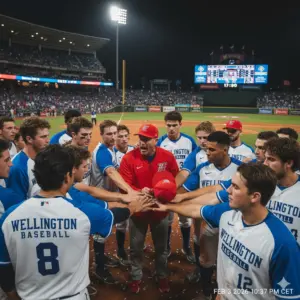

Teams & Competitions within the Wellington region represent a structured and diverse landscape designed to cater to every skill level, from the foundational "Kiwi Ball" for juniors to the high-stakes Senior Premier grade. This guide provides an exhaustive look at how the Wellington Baseball Association (WBA) organises its seasonal leagues, detailing the specific regional catchments for clubs like the Pirates, Hornets, and Porirua, while explaining the pathways for representative "All-Star" selection. We explore the tactical differences between the age-grade divisions, the rigorous safety protocols surrounding pitch counts, and the social "Sunday Ball" culture that defines adult community play in the capital. By understanding the registration cycles, league standings, and national tournament opportunities, players and families can effectively navigate the Wellington diamond sports scene, ensuring a professional and rewarding competitive experience from the first pitch to the final out.
- Grade Diversity: Leagues span from Under-10 developmental divisions to elite Senior Premier competitions.
- Regional Catchment: Teams are formed within specific geographical hubs including Wellington City, Hutt Valley, Porirua, and Kapiti.
- Summer Schedule: The primary competition window runs from late October through to mid-March annually.
- Representative Path: Top-performing players are scouted for the Wellington All-Stars to compete in National Championships.
- Official Oversight: All games are officiated by trained "Blue Crew" umpires and recorded by official scorers for league standings.
Grade Diversity: Leagues span from Under-10 developmental divisions to elite Senior Premier competitions.
Regional Catchment: Teams are formed within specific geographical hubs including Wellington City, Hutt Valley, Porirua, and Kapiti.
Summer Schedule: The primary competition window runs from late October through to mid-March annually.
Representative Path: Top-performing players are scouted for the Wellington All-Stars to compete in National Championships.
Official Oversight: All games are officiated by trained "Blue Crew" umpires and recorded by official scorers for league standings.

The Regional Club Network and Local Catchments
Teams & Competitions in the capital are built upon a foundation of geographically rooted clubs that ensure baseball is accessible to residents across the greater Wellington area. Each club operates as a non-profit community entity, managing several teams across multiple age brackets. For instance, the Wellington City Pirates primarily serve the central and southern suburbs, while the Hutt Valley Hornets provide a home for players in Lower and Upper Hutt. This catchment system is vital for maintaining local rivalries and reducing travel logistics for families. When a player registers, they are typically assigned to a team within their local club, fostering a sense of community identity and school-based peer groups on the diamond.
Navigating the Wellington Baseball Hubs
Understanding which club governs your area is the first step toward joining a team. Each hub provides its own coaching staff and dedicated training grounds, such as the iconic Ian Galloway Park or the specialized diamonds at Ascot Park.
- Wellington City Pirates: Central hub focusing on city-based junior and senior development.
- Hutt Valley Hornets: A historic stronghold serving the Hutt Valley and Wairarapa regions.
- Porirua Baseball: Based at Ascot Park, known for its high-energy youth programs.
- Kapiti Coast Baseball: The northernmost hub, catering to the growing population in Paraparaumu and Waikanae.
Wellington City Pirates: Central hub focusing on city-based junior and senior development.
Hutt Valley Hornets: A historic stronghold serving the Hutt Valley and Wairarapa regions.
Porirua Baseball: Based at Ascot Park, known for its high-energy youth programs.
Kapiti Coast Baseball: The northernmost hub, catering to the growing population in Paraparaumu and Waikanae.
| Club Name | Primary Location | Catchment Area |
| Pirates | Ian Galloway Park | Wellington City, South & West Suburbs |
| Hornets | Whakatiki Park | Lower Hutt, Upper Hutt, Wairarapa |
| Porirua | Ascot Park | Porirua City, Tawa, Mana |
| Kapiti | Te Atiawa Park | Kapiti Coast, Otaki, Horowhenua |
Junior Developmental Leagues: From Kiwi Ball to U13
The junior competition tier is the engine room of Wellington baseball, focusing on the transition from basic hand-eye coordination to position-specific technical skills. "Kiwi Ball" is the entry-level grade where teams are formed in a non-competitive, high-fun environment using tees and soft-core balls. As players move into the U13 grade, the competition introduces live player pitching and full defensive strategies. Teams at this level are often balanced to ensure fair play, with coaches prioritizing equal game time and skill rotation. This ensures that every child experiences different positions, from the pitcher's mound to the outfield, building a well-rounded "Baseball IQ" before they reach the more specialized teenage years.
Progression Through the Junior Grades
The goal of junior competitions is to foster a love for the game while strictly adhering to safety standards, particularly regarding arm health and impact protection.
- Kiwi Ball (U8/U10): Focus on hitting, running, and basic catching mechanics.
- Minor League: Introduction to "Coach Pitch" and "Machine Pitch" to build hitting confidence.
- U13 Major League: The first level of full competitive baseball with player pitching and base stealing.
- RIB Ball Usage: Using "Reduced Injury Balls" in younger grades to minimize the fear of impact.
Kiwi Ball (U8/U10): Focus on hitting, running, and basic catching mechanics.
Minor League: Introduction to "Coach Pitch" and "Machine Pitch" to build hitting confidence.
U13 Major League: The first level of full competitive baseball with player pitching and base stealing.
RIB Ball Usage: Using "Reduced Injury Balls" in younger grades to minimize the fear of impact.
| Grade | Ball Type | Pitching Rule | Game Duration |
| Kiwi Ball | Foam / Soft Core | Batting Tee | 60 Minutes |
| Minor League | Safety Ball (RIB) | Coach Pitch | 75 Minutes |
| U13 Major | Standard Leather | Player Pitch (60ft) | 90 Minutes or 6 Innings |

Teenage Competitive Tiers: U16 and U19 Divisions
As players enter the U16 and U19 divisions, Teams & Competitions become significantly more intense and follow international World Baseball Softball Confederation (WBSC) standards. At this level, teams utilize the full 90-foot base paths and 60'6" pitching distance. These competitions are designed to prepare athletes for the leap to senior baseball or international representative honors. Tactical depth increases, with teams employing specialized pitchers, sophisticated relay plays, and strategic bunting. Many Wellington U19 players are scouted by US college recruiters, making these local Saturday and Sunday leagues a critical showcase for talent.
High-Performance Environments for Youth
The WBA ensures that teenage leagues remain competitive by grading teams and scheduling "Inter-City" fixtures that challenge the best players across the region.
- Strategic Depth: Introduction of leadoffs, pickoffs, and complex defensive shifts.
- Equipment Specs: Mandatory use of BBCOR-certified bats to align with international standards.
- Scouting Focus: Regional championships serve as the primary scouting ground for the Wellington All-Stars.
- Conditioning: Teams often incorporate off-season strength and conditioning to handle the increased velocity of play.
Strategic Depth: Introduction of leadoffs, pickoffs, and complex defensive shifts.
Equipment Specs: Mandatory use of BBCOR-certified bats to align with international standards.
Scouting Focus: Regional championships serve as the primary scouting ground for the Wellington All-Stars.
Conditioning: Teams often incorporate off-season strength and conditioning to handle the increased velocity of play.
| Division | Base Distance | Pitching Distance | Bat Requirement |
| U16 | 90 Feet | 60′ 6″ | BBCOR -3 or Wood |
| U19 | 90 Feet | 60′ 6″ | BBCOR -3 or Wood |
| Senior Premier | 90 Feet | 60′ 6″ | Wood Only (typically) |
Senior Premier: The Pinnacle of Wellington Baseball
The Senior Premier grade represents the highest level of club competition in the Wellington region. Teams in this division often feature former professional players, US college alumni, and current New Zealand Diamondblacks. The competition is fierce, with games typically held as Sunday doubleheaders (two back-to-back seven-inning games). This format tests the depth of a team's pitching staff and the endurance of their roster. Senior Premier baseball is a spectator-friendly event, often drawing crowds to Ian Galloway Park to witness the high-velocity pitching and explosive hitting that defines the top tier of the New Zealand domestic scene.
Managing Elite Rosters and Pitching Rotations
In the Premier grade, the "designated hitter" rule is commonly applied, and the use of wooden bats is standard to maintain the integrity of the game's professional-level stats.
- Doubleheader Strategy: Managers must carefully balance their "Ace" pitchers across the two-game set.
- Wood Bat League: Emphasizing authentic hitting mechanics and reducing the "trampoline effect" of metal bats.
- Import Players: Some Wellington teams host international "imports" from the USA or Japan to bolster their roster.
- League Standings: Results are tracked meticulously, culminating in a high-stakes playoff series in March.
Doubleheader Strategy: Managers must carefully balance their "Ace" pitchers across the two-game set.
Wood Bat League: Emphasizing authentic hitting mechanics and reducing the "trampoline effect" of metal bats.
Import Players: Some Wellington teams host international "imports" from the USA or Japan to bolster their roster.
League Standings: Results are tracked meticulously, culminating in a high-stakes playoff series in March.

Community Social and Reserve Leagues
For those who want to play purely for the love of the game, the Senior Reserve and Social leagues provide the perfect Teams & Competitions outlet. These grades are designed for "weekend warriors," beginners, or veterans who are winding down their competitive careers. While the passion remains high, the atmosphere is more relaxed, with a heavy emphasis on post-game camaraderie and social events. These leagues are vital for the growth of the sport in Wellington, as they allow parents of junior players and casual fans to step off the sidelines and experience the thrill of a home run or a clean double play for themselves.
Inclusivity and Beginner-Friendly Environments
The Reserve leagues often feature mixed-ability teams where experienced mentors play alongside absolute beginners, helping to grow the overall "Baseball IQ" of the Wellington community.
- Flexible Rosters: Designed to accommodate busy adult schedules and family commitments.
- Modified Rules: Sometimes incorporating time limits or run-caps to ensure games remain balanced and fun.
- Sunday Culture: A staple of the Wellington summer, characterized by community BBQs and family support.
- Entry Point: The most common grade for adults picking up a glove for the first time.
Flexible Rosters: Designed to accommodate busy adult schedules and family commitments.
Modified Rules: Sometimes incorporating time limits or run-caps to ensure games remain balanced and fun.
Sunday Culture: A staple of the Wellington summer, characterized by community BBQs and family support.
Entry Point: The most common grade for adults picking up a glove for the first time.
| League Grade | Target Audience | Competitive Vibe | Primary Format |
| Senior Reserve | Experienced adults / High-level social | Competitive but friendly | Sunday Singles/Doubles |
| Social League | Beginners / Recreational | Fun-focused | Time-limited games |
| Masters (40+) | Veterans | Historic rivalries | Occasional tournaments |
The Representative Pathway: Wellington All-Stars
Beyond regular club play, the Wellington Baseball Association selects elite "All-Star" teams to represent the region at the National Club Championships. Selection for an All-Star team is a significant honor and marks a player as one of the top talents in their age group. These teams undergo additional intensive training sessions and travel to compete against the powerhouses of Auckland and Canterbury. The representative season is the primary gateway for players aspiring to wear the silver fern as part of a New Zealand national team, providing exposure to international scouts and high-performance coaching.
Trials, Selection, and National Glory
All-Star teams are typically selected mid-season through a series of open trials and scouting of regular league games.
- High-Performance Focus: Advanced technical drills and tactical workshops led by representative coaches.
- National Championships: The pinnacle of the NZ season, usually held in March or April.
- Age Brackets: Representative teams are formed for U13, U16, U19, and Senior levels.
- Touring Culture: Building lifelong friendships with teammates through regional and national travel.
High-Performance Focus: Advanced technical drills and tactical workshops led by representative coaches.
National Championships: The pinnacle of the NZ season, usually held in March or April.
Age Brackets: Representative teams are formed for U13, U16, U19, and Senior levels.
Touring Culture: Building lifelong friendships with teammates through regional and national travel.

Official Officiating: Umpires and the 'Blue Crew'
No competition can function without the dedicated officials who manage the rules and maintain the pace of play. In Wellington, this group is known as the "Blue Crew." These umpires are trained volunteers who oversee everything from the strike zone to close plays at home plate. The WBA invests heavily in umpire development, providing clinics and certification pathways for those who want to contribute to the sport off the field. A well-umpired competition ensures that games are fair, safe, and efficient, allowing the athletes to focus entirely on their performance.
The Integrity of the Game
Umpires are responsible for enforcing safety rules, such as mandatory helmets and the "slide or avoid" rule, which are critical in youth competitions.
- Umpire Clinics: Regular training sessions held at Ascot Park or Ian Galloway Park.
- Pathway to Nationals: Wellington umpires often progress to officiate at national and international tournaments.
- Junior Umpiring: Encouraging youth players to umpire younger grades to deepen their rule knowledge.
- Professional Conduct: Ensuring a respectful environment between players, coaches, and officials.
Umpire Clinics: Regular training sessions held at Ascot Park or Ian Galloway Park.
Pathway to Nationals: Wellington umpires often progress to officiate at national and international tournaments.
Junior Umpiring: Encouraging youth players to umpire younger grades to deepen their rule knowledge.
Professional Conduct: Ensuring a respectful environment between players, coaches, and officials.
| Official Role | Responsibility | Training Level |
| Plate Umpire | Balls, strikes, and home plate plays | Senior Certified |
| Base Umpire | Safe/Out calls and base-path rules | Foundation / Level 1 |
| Official Scorer | Tracking hits, runs, and pitch counts | Regional Scorer Certified |
National Club Championships and Tournament Play
The Wellington Teams & Competitions calendar culminates in the National Club Championships, where the best regional club teams (not just rep teams) compete for the title of the best in New Zealand. These tournaments are high-stakes, multi-day events that showcase the depth of talent within the NZ club system. For Wellington clubs like the Pirates or Hornets, taking a team to Nationals is a major logistical and financial commitment, but it provides players with an unforgettable experience of top-tier competition. These events are often where the most dramatic moments of the season occur, from walk-off hits to dominant pitching performances.
The Road to the National Title
Participation in Nationals requires clubs to qualify through their regional league standings, making every regular-season game in Wellington crucial for those with national aspirations.
- Venue Rotation: Tournaments rotate between major hubs like Auckland, Wellington, and Christchurch.
- Tournament Format: Usually involving pool play followed by a knockout "bracket" stage.
- Elite Exposure: Scouts from the USA and Australia are frequently in attendance.
- Club Pride: A chance for Wellington clubs to test their mettle against the historic powerhouses of the north.
Venue Rotation: Tournaments rotate between major hubs like Auckland, Wellington, and Christchurch.
Tournament Format: Usually involving pool play followed by a knockout "bracket" stage.
Elite Exposure: Scouts from the USA and Australia are frequently in attendance.
Club Pride: A chance for Wellington clubs to test their mettle against the historic powerhouses of the north.

Pitch Counts and Player Safety Regulations
In every Wellington competition, player safety—specifically arm health—is the highest priority. The WBA enforces strict "Pitch Smart" regulations that dictate the maximum number of pitches a player can throw based on their age and the mandatory rest days required afterward. These rules are monitored by official scorers and verified by umpires to prevent "overuse" injuries. By embedding these safety protocols into the competition structure, Wellington baseball ensures that young pitchers can develop their skills without risking long-term physical damage, maintaining a healthy pool of talent for years to come.
Adhering to Pitch Smart Guidelines
The "rest day" requirements are non-negotiable; if a player throws over a certain threshold, they are legally ineligible to pitch (and sometimes catch) for a set period.
- U13 Limit: Typically capped at 75-85 pitches per day.
- Mandatory Rest: Up to 4 days of rest required if a pitcher reaches their daily maximum.
- Catcher Rule: Players who catch 4 or more innings often cannot pitch on the same day for safety.
- Verification: Managers must sign off on pitch counts at the conclusion of every game.
U13 Limit: Typically capped at 75-85 pitches per day.
Mandatory Rest: Up to 4 days of rest required if a pitcher reaches their daily maximum.
Catcher Rule: Players who catch 4 or more innings often cannot pitch on the same day for safety.
Verification: Managers must sign off on pitch counts at the conclusion of every game.
| Pitcher Age | Daily Max Pitches | 0 Days Rest Required | 4 Days Rest Required |
| 11 – 12 | 85 | 1 – 20 Pitches | 66+ Pitches |
| 13 – 16 | 95 | 1 – 20 Pitches | 66+ Pitches |
| 17 – 18 | 105 | 1 – 30 Pitches | 81+ Pitches |
Equipment Standards and Uniform Compliance
Teams & Competitions in Wellington require adherence to specific equipment standards to ensure a level playing field and maximum safety. All batters and baserunners must wear NOCSAE-approved helmets, and male players in competitive grades must wear athletic supporters with cups. Uniforms are also a key part of the competition experience; players must wear their official club jersey, white baseball pants, and the iconic club cap. These standards not only look professional but also foster a sense of discipline and team unity whenever a Wellington club takes the diamond.
Ensuring League Compliance
Before every game, umpires perform a gear check to ensure bats meet the grade's certification (USA Baseball for juniors, BBCOR for youth, Wood for seniors).
- Bat Certifications: Ensuring metal bats are safe and meet the "trampoline effect" limits for the grade.
- Cleat Rules: Metal spikes are generally prohibited in junior grades to protect against sliding injuries.
- Uniform Integrity: Encouraging players to "look like a ballplayer" to maintain the sport's traditions.
- Catcher Safety: Full gear including throat guards and knee savers is mandatory for all catchers.
Bat Certifications: Ensuring metal bats are safe and meet the "trampoline effect" limits for the grade.
Cleat Rules: Metal spikes are generally prohibited in junior grades to protect against sliding injuries.
Uniform Integrity: Encouraging players to "look like a ballplayer" to maintain the sport's traditions.
Catcher Safety: Full gear including throat guards and knee savers is mandatory for all catchers.

Final Thoughts
The Teams & Competitions landscape in Wellington is a testament to the sport's rapid growth and the dedication of its volunteer community. Whether a player is just starting out in Kiwi Ball or competing at the Senior Premier level, the structure provided by the WBA ensures a safe, fair, and highly competitive environment. By fostering local club rivalries and providing clear representative pathways, Wellington baseball has created a sustainable model for athletic development. As the summer sun shines over the diamonds at Ian Galloway and Ascot Park, the spirit of competition remains the driving force that brings players, families, and fans together on the diamond.
Teams & Competitions FAQ
What age groups are available in Wellington baseball?
Leagues start from Kiwi Ball (Ages 5-9) through to U13, U16, U19, and various adult Senior grades.
How do I find out which club team I should join?
Clubs are based on geographical catchments. Check the WBA website for the club nearest to your home or school.
When are competitive baseball games typically played?
Junior games are often on Saturdays or Sunday mornings, while Senior Premier and Reserve games are held on Sundays.
Are there mixed-gender teams in Wellington?
Yes, baseball is an inclusive sport in New Zealand, and many teams at the junior and social levels are mixed-gender.
What is the 'Wellington All-Stars' program?
It is the representative pathway where the best players from all regional clubs are selected to compete as a unified Wellington team at Nationals.
Do I need to provide my own team uniform?
Clubs typically provide the playing jersey on loan, but players are expected to purchase their own baseball pants, socks, and cap.
How many games are in a typical Wellington season?
The season usually consists of 12-16 regular-season games, followed by regional playoffs and potential national tournaments.
What are 'doubleheaders' in senior baseball?
It is a format where two full games are played back-to-back on the same day, usually to maximize field usage and test team depth.
Is there a league for adults who have never played before?
Absolutely. The Senior Social and Reserve grades are perfect for beginners to learn the game in a supportive environment.
Where can I find official NZ baseball rules?
You can find the standard rules and regional modifications on the Baseball New Zealand Wikipedia page.
External Resource: Baseball New Zealand – Wikipedia