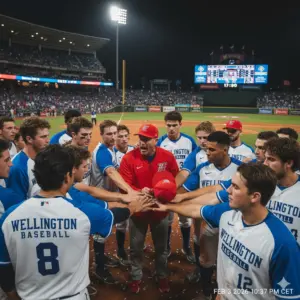
Preparing for Wellington Baseball Association (WBA) games requires a blend of physical conditioning, technical skill refinement, and a structured game-day routine. Whether you are a junior player in the "Kiwi Ball" developmental grade or an aspiring senior in the Travel League, success on the diamond starts long before the first pitch. This comprehensive guide details the essential steps for every player, covering equipment requirements, pre-game drills, and the mental preparation needed to excel in the competitive Wellington landscape. By following these actionable insights, you can ensure that you arrive at the ballpark ready to perform, maintaining the high standards of sportsmanship and athletic excellence that define baseball in the capital.

- Equipment Readiness: Verify that your glove, helmet, and bat meet international safety standards and are in peak condition.
- Physical Conditioning: Focus on strengthening your throwing shoulder and core to handle the explosive demands of the game.
- Pre-Game Routine: Implement a 30-to-60-minute warm-up involving dynamic stretching, throwing progressions, and situational hitting.
- Field Awareness: Inspect the local diamond’s surface, wind conditions, and backstop ricochet angles before the game begins.
- Mental Focus: Develop a consistent pre-game mindset, prioritizing effort, attitude, and team camaraderie over individual statistics.
Equipment Readiness: Verify that your glove, helmet, and bat meet international safety standards and are in peak condition.
Physical Conditioning: Focus on strengthening your throwing shoulder and core to handle the explosive demands of the game.
Pre-Game Routine: Implement a 30-to-60-minute warm-up involving dynamic stretching, throwing progressions, and situational hitting.
Field Awareness: Inspect the local diamond’s surface, wind conditions, and backstop ricochet angles before the game begins.
Mental Focus: Develop a consistent pre-game mindset, prioritizing effort, attitude, and team camaraderie over individual statistics.
Mastering Your Gear: The Essential Equipment Checklist
The foundation of preparation for any Wellington Baseball Association game is ensuring your equipment is safe, compliant, and ready for action. For new players, this begins with a high-quality baseball glove, which should be properly broken in to allow for quick transfers from the pocket to the throwing hand. While clubs like the Wellington City Pirates often provide shared gear bags containing bats and catcher's equipment, most competitive players eventually invest in their own personal kit. It is vital that all gear, particularly helmets and catcher's masks, carry the NOCSAE safety certification and remain free of unauthorized alterations like decals or paint.
Choosing the Right Tools for Your Division
Equipment requirements in Wellington shift significantly between junior and senior divisions. For the younger grades, safety balls and molded rubber cleats are standard, whereas senior leagues move to hardballs and allow metal spikes for improved traction on grass surfaces.
- The Glove: Beginners should choose a smaller, synthetic, or cowhide glove for better control; senior infielders favor smaller gloves for speed, while outfielders use larger models for reach.
- The Bat: Ensure your bat carries the USA Baseball stamp for junior divisions (T-Ball to Major) or meets BBCOR standards for Intermediate and Senior play.
- Safety Gear: Male players in divisions above T-Ball must wear an athletic supporter and cup; catchers must utilize a "dangling" throat guard on their helmet.
- Footwear: Use molded cleats for 12U and below; metal cleats are only permitted in 13U Junior and Senior divisions for safety reasons.
The Glove: Beginners should choose a smaller, synthetic, or cowhide glove for better control; senior infielders favor smaller gloves for speed, while outfielders use larger models for reach.
The Bat: Ensure your bat carries the USA Baseball stamp for junior divisions (T-Ball to Major) or meets BBCOR standards for Intermediate and Senior play.
Safety Gear: Male players in divisions above T-Ball must wear an athletic supporter and cup; catchers must utilize a "dangling" throat guard on their helmet.
Footwear: Use molded cleats for 12U and below; metal cleats are only permitted in 13U Junior and Senior divisions for safety reasons.
| Equipment Category | Grade Level | Mandatory Item | Recommended Item |
| Fielding | All Grades | Broken-in Glove | Position-specific glove (e.g., Catcher’s Mitt) |
| Batting | All Grades | NOCSAE Helmet | Batting Gloves |
| Footwear | U12 & Below | Molded Cleats | Spare socks |
| Footwear | U13 & Above | Metal or Molded Cleats | Turf shoes for practice |
Physical Preparation: Building a 'Game-Ready' Body
After the winter break, Wellington players must work their way back into "baseball shape" to avoid common injuries like shoulder strain or elbow fatigue. Preparing for the season starts with a focus on throwing—one of the most physically demanding aspects of the sport. Players should gradually lengthen and strengthen their throws over several weeks, mimicking the progressive training of a marathon runner rather than attempting high-velocity pitches immediately. A strong core and flexible legs are equally important for generating power in the swing and agility on the basepaths.
Strengthening and Mobility Routines
A structured training program ensures that every muscle group involved in the kinetic chain is activated and resilient.
- Shoulder Health: Utilize resistance band exercises to strengthen the rotator cuff and scapular stabilizers.
- Dynamic Warm-Up: Before every session, perform active movements like high knees, butt kicks, and torso rotations to prepare the body for explosive action.
- Base Running Sprints: Practice short, 20-meter bursts to build the "first-step" quickness needed to beat out ground balls.
- Throwing Routine: Follow a sequence that includes Upper Body Rotation throws, In-Line throws, and Shuffle throws to build accuracy and arm speed.
Shoulder Health: Utilize resistance band exercises to strengthen the rotator cuff and scapular stabilizers.
Dynamic Warm-Up: Before every session, perform active movements like high knees, butt kicks, and torso rotations to prepare the body for explosive action.
Base Running Sprints: Practice short, 20-meter bursts to build the "first-step" quickness needed to beat out ground balls.
Throwing Routine: Follow a sequence that includes Upper Body Rotation throws, In-Line throws, and Shuffle throws to build accuracy and arm speed.

Pre-Game Structure: The First 60 Minutes
The final hour before a WBA game is the most critical time for mental and physical sharpening. Teams typically gather 45 to 60 minutes before the scheduled first pitch to conduct a structured warm-up that transitions from generalized stretching to specialized positional drills. This routine helps settle "pre-game jitters" and ensures that the transition from the dugout to the field is seamless. Coaches often use this time to finalize the lineup card and delegate roles, such as who will manage the scorebook or the "GameChanger" app.
A Typical Game-Day Countdown
Consistency in your pre-game schedule helps create a professional atmosphere where players can focus on their craft.
- Minute 0–15: Team meeting and dynamic stretching—ensure every player is physically loose and attentive.
- Minute 15–30: Throwing progression—start short and work back to game distance, focusing on hitting your partner in the chest with every throw.
- Minute 30–45: Pre-game hitting (if cages are available)—focus on 5-swing rounds targeting specific situations like bunts or "hitting the ball the other way".
- Minute 45–55: Infield/Outfield (I/O) practice—fielding grounders and fly balls to get a feel for the grass speed and wind conditions.
- Minute 55–60: Dugout transition—final gear check and water break before the home team takes the field.
Minute 0–15: Team meeting and dynamic stretching—ensure every player is physically loose and attentive.
Minute 15–30: Throwing progression—start short and work back to game distance, focusing on hitting your partner in the chest with every throw.
Minute 30–45: Pre-game hitting (if cages are available)—focus on 5-swing rounds targeting specific situations like bunts or "hitting the ball the other way".
Minute 45–55: Infield/Outfield (I/O) practice—fielding grounders and fly balls to get a feel for the grass speed and wind conditions.
Minute 55–60: Dugout transition—final gear check and water break before the home team takes the field.
| Activity Phase | Focus Area | Goal |
| Dynamic Stretching | Full body mobility | Prevent muscle strains |
| Playing Catch | Accuracy & Arm Speed | Consistent 4-seam throws |
| BP Rounds | Situational Hitting | Mastering bunts and “hit & runs” |
| I/O Practice | Footwork & Field Sense | Confidence in glove work |
Knowing the Diamond: Pre-Game Field Inspection
Wellington baseball fields are not all created equal, and understanding the nuances of your local diamond can provide a significant tactical advantage. Before the game begins, players should conduct a "field walk" to assess how the environmental conditions will impact play. For example, the length of the grass at Ian Galloway Park might slow down ground balls compared to a more tightly packed dirt infield elsewhere. Even the distance and material of the backstop can change how a catcher should react to a wild pitch with runners on base.
Strategic Factors to Assess
Small adjustments based on your pre-game findings can lead to game-winning plays in high-pressure situations.
- Grass and Dirt: Check if the surface is wet or dry and look for uneven spots that might cause "bad hops".
- Wind Conditions: Observe the wind direction to understand how fly balls will carry or drift, especially in the outfield.
- Foul Territory: Note the distance to the stands or bullpen mounds to avoid collisions when tracking down pop-ups.
- The Outfield Fence: Understand how balls will ricochet off the fence—chain link fences absorb speed, while wooden or padded walls create deeper rebounds.
Grass and Dirt: Check if the surface is wet or dry and look for uneven spots that might cause "bad hops".
Wind Conditions: Observe the wind direction to understand how fly balls will carry or drift, especially in the outfield.
Foul Territory: Note the distance to the stands or bullpen mounds to avoid collisions when tracking down pop-ups.
The Outfield Fence: Understand how balls will ricochet off the fence—chain link fences absorb speed, while wooden or padded walls create deeper rebounds.

Developing the Catcher's 'Battery' Mindset
The relationship between the pitcher and the catcher, known as the "battery," is the heartbeat of any WBA game. For catchers, preparation involves more than just puting on the gear; it requires a focused warm-up of "soft hands" and "framing" drills. Catchers should spend at least 10 minutes prior to game time working on quick transfers and receiving pitches from their starting pitcher in the bullpen. This ensures that both players are synchronized on signals and that the catcher is ready to "block" any balls in the dirt.
Catcher's Specific Prep Routine
A catcher who is physically and mentally loose provides a sense of security for the entire defense.
- Blocking Drills: Drop to your knees and use your body to stop simulated wild pitches.
- Transfer Practice: Focus on moving the ball from the glove to the throwing hand in one smooth motion.
- Pitcher's Command: Use the bullpen session to learn which pitches the starter is commanding best on that specific day.
- Mandatory Gear: Verify that your mask has a "dangling" throat guard and that you are wearing a protective cup.
Blocking Drills: Drop to your knees and use your body to stop simulated wild pitches.
Transfer Practice: Focus on moving the ball from the glove to the throwing hand in one smooth motion.
Pitcher's Command: Use the bullpen session to learn which pitches the starter is commanding best on that specific day.
Mandatory Gear: Verify that your mask has a "dangling" throat guard and that you are wearing a protective cup.
| Task | Objective | Requirement |
| Bullpen Session | Synchronize with Pitcher | 10–15 Minutes |
| Gear Inspection | Safety Verification | NOCSAE Certification |
| Framing Drills | Maximize Strike Zone | “Quiet” hands & soft receiving |
| Blocking Practice | Stop “passed balls” | Proper knee-drop technique |
Situational Hitting and BP Rounds
For most Wellington youth teams, pre-game batting practice (BP) is the final opportunity to calibrate timing. Instead of just "swinging for the fences," prepared hitters use their BP rounds to practice specific game-day scenarios. This might include two bunts to get the feeling for the barrel, followed by several swings focused on "hitting behind the runner" to advance teammates. By visualizing a real game situation during every warm-up swing, you build the mental muscle memory needed to execute when the pressure is on.
Structure of a High-Quality BP Session
If time and space allow, follow these standardized rounds to ensure your swing is versatile and controlled.
- Round 1: 2 Bunts—focus on "deadening" the ball down the 1st or 3rd base lines.
- Round 2: Middle-Away—focus on driving the ball into the opposite field gap.
- Round 3: Hit & Run—focus on making contact and putting the ball on the ground.
- Round 4: "Get Him In"—focus on elevating the ball for a sacrifice fly or a hard line drive.
Round 1: 2 Bunts—focus on "deadening" the ball down the 1st or 3rd base lines.
Round 2: Middle-Away—focus on driving the ball into the opposite field gap.
Round 3: Hit & Run—focus on making contact and putting the ball on the ground.
Round 4: "Get Him In"—focus on elevating the ball for a sacrifice fly or a hard line drive.

Defensive Focus: Infield and Outfield Routines
Fielding preparation in Wellington often involves contending with unpredictable grass hops and coastal winds. Infielders should focus on their "footwork and glove work," ensuring they can get rid of the ball quickly once fielded. Outfielders must take pride in their "tracking" during the warm-up, specifically noting how the sun and wind are affecting the flight of fly balls. Communication between fielders is a non-negotiable part of the pre-game routine to avoid collisions during the heat of competition.
Position-Specific Warm-Up Tips
Each area of the field requires a different mental and physical "reset" before the first inning.
- Infielders: Take short-hop grounders on the edge of the grass to sharpen your reflexes.
- Outfielders: Practice the "Drop Step" to ensure you can turn and run backward without losing sight of the ball.
- Cutoff Practice: Work with the infielders to establish who the "cutoff man" is for throws coming from the gaps.
- Corner Infielders: Check the baseline dirt to see if bunts will roll foul or stay fair.
Infielders: Take short-hop grounders on the edge of the grass to sharpen your reflexes.
Outfielders: Practice the "Drop Step" to ensure you can turn and run backward without losing sight of the ball.
Cutoff Practice: Work with the infielders to establish who the "cutoff man" is for throws coming from the gaps.
Corner Infielders: Check the baseline dirt to see if bunts will roll foul or stay fair.
| Position | Primary Prep Drill | Key Objective |
| Infielder | Short-hop picks | “Soft hands” and quick feet |
| Outfielder | Tracking under wind | Judging ball flight |
| Pitcher | PFP (Pitchers Fielding Practice) | Becoming the “5th infielder” |
| General | Communication calls | Avoiding collisions |
Nutrition and Hydration: Fueling the Diamond
Preparation isn't just about what happens on the field; it’s about what you put into your body. Wellington baseball games can be long, and players will sweat even in cooler temperatures, making it vital to replenish fluids regularly. Parents and coaches should ensure that every player has a personal, labeled water bottle and access to nutritious, energy-dense snacks for doubleheaders. Avoid heavy, greasy meals immediately before a game, as these can lead to lethargy and digestive discomfort during high-intensity activity.
Essential 'Game Day' Fueling
Proper hydration and nutrition maintain your focus and reaction speed during late-inning pressure.
- Hydration: Drink water continuously throughout the day, not just when you feel thirsty.
- Pre-Game Meal: Focus on complex carbohydrates like whole-grain pasta or oats 2–3 hours before the game.
- Dugout Snacks: Fruits like bananas, oranges, or energy bars provide a quick sugar boost between innings.
- Recovery: Post-game nutrition should include protein to help repair muscle tissue and electrolytes to restore balance.
Hydration: Drink water continuously throughout the day, not just when you feel thirsty.
Pre-Game Meal: Focus on complex carbohydrates like whole-grain pasta or oats 2–3 hours before the game.
Dugout Snacks: Fruits like bananas, oranges, or energy bars provide a quick sugar boost between innings.
Recovery: Post-game nutrition should include protein to help repair muscle tissue and electrolytes to restore balance.
| Timing | Goal | Recommended Food/Drink |
| 2–3 Hours Before | Energy Loading | Porridge, Pasta, or Chicken & Rice |
| Pre-Game (30m) | Final Spark | Fruit (Banana) or Energy Bar |
| During Game | Maintenance | Water and Electrolyte Drinks |
| Post-Game | Recovery | Protein Shake or Chocolate Milk |
Mental Resilience: Developing a Winning Mindset
Baseball is famously a "game of failure," and preparing your mind is just as important as preparing your arm. In Wellington youth baseball, the focus should remain on effort, sportsmanship, and attitude rather than just wins or individual stats. Develop a pre-game ritual that helps you stay calm—this might be a specific visualization of a clean hit or a favorite song to help you lock in. Remember that mistakes are opportunities for learning; a resilient player is one who can "flush" a bad at-bat and return to the field with full focus for the next play.
Core Values of the Wellington Baseball Mindset
Adopting these psychological traits helps build a supportive team culture that thrives under pressure.
- Positive Mindset: Encourage your teammates and stay focused on the "next play" rather than dwelling on past errors.
- Sportsmanship: Show respect to the umpires (the Blue Crew), the opposition, and the game itself.
- Responsibility: Empower players to take ownership of their own gear, uniform, and pre-game preparation.
- Team Bonding: Use the pre-game time to organize team cheers or casual meetups to strengthen chemistry.
Positive Mindset: Encourage your teammates and stay focused on the "next play" rather than dwelling on past errors.
Sportsmanship: Show respect to the umpires (the Blue Crew), the opposition, and the game itself.
Responsibility: Empower players to take ownership of their own gear, uniform, and pre-game preparation.
Team Bonding: Use the pre-game time to organize team cheers or casual meetups to strengthen chemistry.

Final Thoughts
Preparing for Wellington Baseball Association games is a comprehensive process that turns the "chaos" of game day into a structured, professional environment where athletes can thrive. By ensuring your gear is NOCSAE certified and properly fitted, you provide the safety necessary to play with total confidence. When this equipment readiness is paired with a dedicated dynamic warm-up, situational BP rounds, and a thorough inspection of the diamond's conditions, you give yourself and your team every possible advantage. Ultimately, baseball in the capital is about more than just the results; it is about growth, camaraderie, and building a lifelong love for the game through disciplined preparation and a positive, resilient mindset.
FAQ
What equipment is mandatory for a WBA game?
Every player must have a baseball glove, and male players above T-Ball must wear an athletic supporter and cup. Helmets and catcher's gear must meet NOCSAE certifications.
Are metal cleats allowed in Wellington?
Metal cleats are only allowed in the Intermediate, Junior, and Senior divisions (typically 13U and above). Molded cleats are mandatory for Major Division and below.
How long should a pre-game warm-up last?
A high-quality warm-up should take between 30 and 60 minutes, covering stretching, throwing, and situational fielding/hitting.
What is 'Pitch Smart' and how does it apply to prep?
Preparation involves tracking your recent pitch counts to ensure you are legally rested and physically ready to pitch without risking injury.
What happens if it rains before a game?
Postponement decisions are usually made by regional associations like the WBA and communicated via social media or team apps like Sporty.
Do I need my own baseball bat?
While most clubs provide shared bats, it is highly recommended to have your own that is sized specifically to your height and hitting strength.
Why is 'framing' important for a catcher's prep?
Framing drills help the catcher receive pitches "quietly," making borderline pitches look like strikes to the umpire.
Can I wear jewelry during a WBA game?
No, jewelry is generally not permitted during games for the safety of all participants.
What is 'The Blue Crew'?
This is the common nickname for the trained umpires who officiate WBA games and enforce the league's rules.
How do I check the field before the game?
Walk the diamond to check for wet grass, uneven dirt, and how far the backstop is to understand potential ball ricochets.
1 DO FOLLOW EXTERNAL LINK – Find link to Wiki page for keyword: Baseball New Zealand