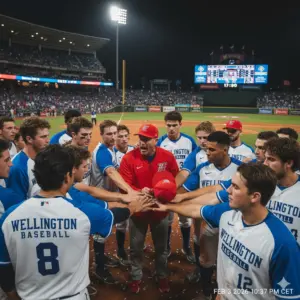

Getting your child started in baseball within New Zealand is a straightforward process that involves selecting a local club, understanding the specific age-grade divisions, and preparing for the summer season which typically runs from October to March. To get your child into baseball, you must first register them through the national GameDay passport system, which is the official platform used by Baseball New Zealand to manage player data and affiliation. Parents should be prepared for a modest financial commitment including club fees and a national body levy, alongside basic equipment requirements such as a glove, white baseball pants, and molded cleats. Regional associations, such as the Wellington Baseball Association, oversee local competitions where clubs like the Wellington City Pirates and Hutt Valley Hornets provide developmental pathways from "Kiwi Ball" for juniors to competitive representative teams.
- Club Selection: Identify a club within your local region, such as Wellington City, Hutt Valley, or Porirua.
- Registration: Create a GameDay passport and complete the 2025-2026 registration form.
- Age Grades: Use the official Little League age chart to determine if your child belongs in T-Ball, Minors, Majors, or older youth divisions.
- Fees: Pay the standalone Baseball NZ levy (approx. $9–$30) plus the local club membership fee.
- Gear: Provide personal essentials including a broken-in glove, athletic supporter with a cup (mandatory for boys), and suitable footwear.
Club Selection: Identify a club within your local region, such as Wellington City, Hutt Valley, or Porirua.
Registration: Create a GameDay passport and complete the 2025-2026 registration form.
Age Grades: Use the official Little League age chart to determine if your child belongs in T-Ball, Minors, Majors, or older youth divisions.
Fees: Pay the standalone Baseball NZ levy (approx. $9–$30) plus the local club membership fee.
Gear: Provide personal essentials including a broken-in glove, athletic supporter with a cup (mandatory for boys), and suitable footwear.
Navigating the National Registration and GameDay System
The entry point for every junior player in New Zealand is the GameDay passport system. This centralized platform ensures that all players are officially registered with both their local club and Baseball New Zealand, which is a prerequisite for participating in any sanctioned leagues, tournaments, or representative trials. During the registration process, parents must provide accurate birth dates to ensure the child is placed in the correct developmental grade, as age-eligibility is strictly enforced to maintain safety and fair competition. Once the online form is submitted and fees are settled, the club will typically contact the family within a few weeks to confirm team placement and training schedules.
Step-by-Step Registration Checklist
Managing the administrative side of youth sports can be daunting, but following these specific steps will ensure your child is ready for opening day.
- Step 1: Visit your chosen club's website and locate the "Registration" or "Sporty" link.
- Step 2: Create a GameDay account for the player (and yourself if volunteering as a coach or scorekeeper).
- Step 3: Consult the Little League Age Chart to verify the correct division based on the child's birth date.
- Step 4: Select the relevant "Product" (registration grade) and pay the combined club fee and BNZ levy.
Step 1: Visit your chosen club's website and locate the "Registration" or "Sporty" link.
Step 2: Create a GameDay account for the player (and yourself if volunteering as a coach or scorekeeper).
Step 3: Consult the Little League Age Chart to verify the correct division based on the child's birth date.
Step 4: Select the relevant "Product" (registration grade) and pay the combined club fee and BNZ levy.
| Grade Level | Targeted Age | Primary Focus |
| T-Ball | 4 – 7 years | Hand-eye coordination and fun |
| Minor League | 8 – 10 years | Introduction to full baseball rules |
| Major League | 10 – 12 years | Competitive play on intermediate diamonds |
| Junior/Senior | 13 – 16 years | Advanced development and pathways |
Understanding Costs: Club Fees and National Levies
When calculating the cost of getting your child into baseball, it is important to distinguish between local club memberships and the national affiliation fee. Local club fees generally cover the cost of equipment maintenance (balls, catcher's gear, bats), coaching, insurance, and regional association levies. The Baseball NZ (BNZ) levy is a separate, standalone item paid directly to the national body through the registration portal. While prices vary slightly between regions, junior players (10 and under) typically pay a lower levy than youth players (11–17). Early registration is often encouraged with incentives, such as limited edition club merchandise or discounted "early bird" rates.
Typical Fee Structure Examples
Financial transparency helps families plan for the season ahead; most clubs provide a clear breakdown of where your money goes.
- T-Ball (8 & Under): Club fee approx. $75 + $8.95 BNZ Levy.
- Major League (12 & Under): Club fee approx. $205 + $17.85 BNZ Levy.
- Senior League (16 & Under): Club fee approx. $245 + $17.85 BNZ Levy.
- Family Discounts: Many clubs offer reduced rates if a second child is registered in a youth division.
T-Ball (8 & Under): Club fee approx. $75 + $8.95 BNZ Levy.
Major League (12 & Under): Club fee approx. $205 + $17.85 BNZ Levy.
Senior League (16 & Under): Club fee approx. $245 + $17.85 BNZ Levy.
Family Discounts: Many clubs offer reduced rates if a second child is registered in a youth division.

Essential Gear and Equipment Requirements
While clubs provide the heavy equipment like bats, helmets, and catcher's gear, every player is expected to bring their own personal kit. A high-quality baseball glove is the most vital purchase; parents should ensure it is the correct size for the child's hand and spend time "breaking it in" before the first practice to make fielding easier. For safety, male players in competitive grades must wear an athletic supporter with a protective cup, particularly if they play in the infield or as a catcher. Uniform requirements usually consist of club-branded hats and jerseys (often loaned or sold by the club), paired with white baseball pants, a belt, and colored socks that match the club's identity.
Footwear and Safety Specifications
Safety standards are rigorous to protect developing athletes, especially regarding footwear and head protection.
- Cleats: Molded plastic cleats are recommended for youth leagues to provide grip on the diamond; metal spikes are generally prohibited in junior divisions.
- Helmets: These must be worn whenever a player is at bat, running bases, or waiting in the on-deck circle.
- Bat Standards: If purchasing a personal bat, it must meet USA Baseball (USABat) standards with the appropriate marking on the barrel.
- Personal Hygiene: Many families choose to purchase a personal batting helmet to ensure a better fit and better hygiene compared to shared club gear.
Cleats: Molded plastic cleats are recommended for youth leagues to provide grip on the diamond; metal spikes are generally prohibited in junior divisions.
Helmets: These must be worn whenever a player is at bat, running bases, or waiting in the on-deck circle.
Bat Standards: If purchasing a personal bat, it must meet USA Baseball (USABat) standards with the appropriate marking on the barrel.
Personal Hygiene: Many families choose to purchase a personal batting helmet to ensure a better fit and better hygiene compared to shared club gear.
| Item | Estimated Cost (NZD) | Recommended Source |
| Junior Glove | $119 – $169 | Specialist stores (e.g., The Dugout) |
| Batting Tee | $79 – $109 | Hart Sport / Club Gear |
| Baseball Cleats | $60 – $120 | General sports retailers |
| White Pants | $40 – $70 | Club uniform shops |
Finding a Local Club in the Wellington Region
The Wellington Baseball Association acts as the regional hub for clubs across the lower North Island. For city residents, the Wellington City Pirates is a primary club utilizing local sportsgrounds, while those in the surrounding valleys can join the Hutt Valley Hornets, who play on Sundays. These clubs compete against each other in age-appropriate grades, often traveling to locations like Levin or the Wairarapa for regional fixtures. Most Wellington clubs offer a "mid-week development league" for those new to diamond sports, providing a low-pressure environment to learn hitting and fielding before Sunday games begin.
Wellington Regional Hubs
Finding a club near your residence or school boundary is essential for convenience and local community connection.
- Wellington City: Focus on central suburbs and the Pirates club.
- Hutt Valley: The Hornets club based in Lower Hutt serves the valley and Wairarapa regions.
- Levin/Wairarapa: Affiliated regional teams that participate in the WBA competition.
- Sporty Club Search: Use the Sporty.co.nz directory to find the specific URL for your local organization's portal.
Wellington City: Focus on central suburbs and the Pirates club.
Hutt Valley: The Hornets club based in Lower Hutt serves the valley and Wairarapa regions.
Levin/Wairarapa: Affiliated regional teams that participate in the WBA competition.
Sporty Club Search: Use the Sporty.co.nz directory to find the specific URL for your local organization's portal.

Player Safety: Pitch Counts and Injury Prevention
Baseball New Zealand and regional associations like the WBA prioritize player safety through strict "Pitch Smart" guidelines. Because young arms are still developing, there are firm limits on the number of pitches a child can throw in a single day, followed by mandatory rest periods. For example, 11–12 year olds are typically capped at 85 pitches per day, while 13–16 year olds may throw up to 95. Coaches are required to scrupulously document pitch counts, and players are encouraged to take at least four months off each year from competitive pitching to avoid shoulder and elbow injuries.
Protective Standards for Junior Athletes
Beyond pitch counts, the physical equipment used on the diamond is strictly regulated to prevent impact injuries.
- Catcher's Safety: Catchers must always wear a helmet, facemask, throat guard, chest protector, and shin guards.
- Sun Protection: As a summer sport, players must wear SPF 30+ sunscreen and a hat during all practices and games.
- Batting Rules: Throwing a bat is often grounds for an automatic out to prevent injuries to the catcher or umpire.
- Hydration: Maintaining fluid intake is critical during high-intensity summer games.
Catcher's Safety: Catchers must always wear a helmet, facemask, throat guard, chest protector, and shin guards.
Sun Protection: As a summer sport, players must wear SPF 30+ sunscreen and a hat during all practices and games.
Batting Rules: Throwing a bat is often grounds for an automatic out to prevent injuries to the catcher or umpire.
Hydration: Maintaining fluid intake is critical during high-intensity summer games.
| Age Group | Daily Max Pitches | Mandatory Rest (1-20 pitches) | Mandatory Rest (66+ pitches) |
| 11–12 years | 85 | 0 Days | 4 Days |
| 13–16 years | 95 | 0 Days | 4 Days |
| 17–18 years | 105 | 0 Days | 4 Days |
Developmental Pathways and Representative Opportunities
Baseball in New Zealand is not just a recreational activity; it offers a clear pathway to high-performance representation. Many players who start in Wellington's junior grades go on to represent the region in the National Club Championships, which have been contested across four age levels since 2006 (U13, U15, U19, and Senior). Elite players may be scouted for the New Zealand National Development Camp or regional representative series, such as the International Youth Development Series featuring teams from Australia and NZ. Clubs like the Hutt Valley Hornets and North Shore Baseball pride themselves on developing players who ultimately compete in international tournaments for the national "Diamondblacks" age-grade teams.
From Local Club to National Pride
The progression through the age grades ensures that players continue to be challenged as their skills evolve.
- Major League: The first competitive level with annual player evaluations to ensure appropriate skill placement.
- Intermediate/Junior: Introduction to larger "90-foot" bases and full baseball rules like leadoffs and pickoffs.
- National Tournaments: The premier events where regional clubs compete for national titles.
- International Series: Opportunities to compete against overseas academies and state teams.
Major League: The first competitive level with annual player evaluations to ensure appropriate skill placement.
Intermediate/Junior: Introduction to larger "90-foot" bases and full baseball rules like leadoffs and pickoffs.
National Tournaments: The premier events where regional clubs compete for national titles.
International Series: Opportunities to compete against overseas academies and state teams.

The Role of Parents: Coaching and Volunteering
Youth baseball is almost entirely volunteer-run, and parental involvement is the engine that drives every club. When you get your child into baseball, there are numerous ways to contribute beyond the sidelines, from becoming a certified coach to learning the technical art of scorekeeping. Baseball New Zealand offers a comprehensive Coaches Accreditation Scheme (BNZCAS) with levels ranging from "Foundation" (for those new to the sport) to "Accelerant" (for those coaching elite representative teams). Parents who volunteer as coaches or umpires must complete Police Vetting through the Sporty registration portal to ensure a safe environment for all junior participants.
Volunteer Opportunities for Families
Clubs are always in need of extra hands to manage the complex logistics of a summer season.
- Coach: Work through accreditation levels (Level 0–1) to lead your child's team.
- Umpire: Officiate games and manage the "Blue Crew" on the diamond.
- Scorekeeper: Use the official BNZ scoring application to record game results and statistics.
- Non-Playing Member: Assist with club maintenance, fundraising, or event logistics.
Coach: Work through accreditation levels (Level 0–1) to lead your child's team.
Umpire: Officiate games and manage the "Blue Crew" on the diamond.
Scorekeeper: Use the official BNZ scoring application to record game results and statistics.
Non-Playing Member: Assist with club maintenance, fundraising, or event logistics.
| Volunteer Role | Required Accreditation | Key Benefit |
| Foundation Coach | BNZ Level 0 | Support child’s initial involvement |
| Development Coach | BNZ Level 2 | Coach at higher playing levels |
| Scorer | BNZ Scoring App | Maintain official game records |
| Umpire | Regional Training | Ensure fair play and safety |
Preparing for the Season: Key Dates and Logistics
The New Zealand baseball season is a summer sport, traditionally kicking off in October. While regular season games generally wrap up by March, parents should note that "post-season" tournaments and regional championships often extend into the school holidays. It is highly recommended to complete registrations before Labour Weekend to secure team placement and sometimes take advantage of promotional offers like free club merchandise. Training sessions for junior and youth grades are typically held on weekday afternoons, with competitive games scheduled for Sundays in the Wellington region to avoid clashing with Saturday winter sport carry-overs.
The Seasonal Roadmap
Planning your summer around baseball requires an awareness of the key milestones in the club calendar.
- August – September: Registration period and club "Open Days".
- October: Official season start for most regional associations.
- January: National Club Championships (Senior and Youth grades).
- March: Regional finals and end-of-season prizegivings.
August – September: Registration period and club "Open Days".
October: Official season start for most regional associations.
January: National Club Championships (Senior and Youth grades).
March: Regional finals and end-of-season prizegivings.

Hitting and Fielding: What Your Child Will Learn
As your child transitions through the grades, the complexity of the skills being taught will naturally evolve. In the Minors (ages 9–11), the focus is on the fundamentals of "full baseball," including how to handle a moving ball and the basics of positioning. By the time they reach the Juniors (ages 12–14), they will be introduced to "90-foot" bases where advanced strategies like leadoffs and pickoffs become part of the game. Coaching at the youth level in NZ is increasingly focused on developing strong "baseball IQ" alongside physical ability, ensuring players understand not just how to field a ball, but where to throw it based on the game situation.
Skill Development Milestones
Clubs use player evaluations to ensure athletes are placed in a grade that matches their current skill level for safety and enjoyment.
- Kiwi Ball / T-Ball: Focus on hitting off a tee and learning which way to run around the bases.
- Little League / Majors: Introduction to live player pitching and strategic batting.
- Teen Divisions: Mastery of full baseball rules and transition to adult-sized diamonds.
- Teamwork: Developing the communication skills necessary to execute complex defensive plays like the double play.
Kiwi Ball / T-Ball: Focus on hitting off a tee and learning which way to run around the bases.
Little League / Majors: Introduction to live player pitching and strategic batting.
Teen Divisions: Mastery of full baseball rules and transition to adult-sized diamonds.
Teamwork: Developing the communication skills necessary to execute complex defensive plays like the double play.
| Skill Area | Junior Focus (U10) | Youth Focus (U16) |
| Hitting | Contact and swing plane | Power and pitch recognition |
| Pitching | Consistent mechanics | Velocity and variety |
| Base Running | Running in order | Leadoffs and stealing |
| Fielding | Catching and throwing | Defensive shifts and relay plays |
Final Thoughts
Getting your child into baseball in NZ is an investment in their physical development and team social skills within a rapidly growing sporting community. By following the national registration protocols through GameDay and engaging with local Wellington clubs early, parents can ensure a smooth transition into the summer season. While the initial gear requirements and fee structures involve a modest setup cost, the return in terms of athletic development and the potential for representative play is significant. Whether your child is starting with a foam bat in T-Ball or eyeing a US college scholarship in the Senior League, the New Zealand baseball community provides a safe, inclusive, and professional environment for them to thrive.
FAQ section
When is the baseball season in New Zealand?
The season is a summer sport, typically starting in October and running through until March.
What is the minimum age to start playing baseball?
Children as young as 4 years old can start in the T-Ball or "Pee Wee" divisions.
Do I need to buy a bat for my child?
Not necessarily. Most clubs provide team bats for practices and games, though many older players choose to purchase their own.
What is the BNZ Levy?
It is a standalone national affiliation fee paid directly to Baseball New Zealand to support the administration of the sport nationwide.
Is baseball safe for kids?
Yes, safety is a priority. Rules include mandatory helmets, restricted pitch counts, and the use of "Safety Balls" in younger grades.
Can girls play baseball in NZ?
Absolutely. Baseball is open to all genders, and many junior teams are mixed.
What footwear is required?
Molded plastic cleats are standard for youth baseball; metal spikes are generally not allowed in junior divisions.
How do I find the right club in Wellington?
You can search the Sporty.co.nz directory or visit the Wellington Baseball Association website for a list of regional clubs.
What is a GameDay passport?
It is the official online account used by parents to register children for baseball and manage their sporting history.
How often are practices?
Practice frequency varies by club but typically involves one or two weekday sessions in addition to the Sunday game.
1 DO FOLLOW EXTERNAL LINK – Find link to Wiki page for Baseball New Zealand