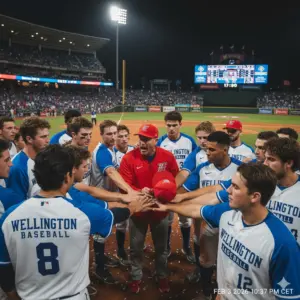

Developing elite talent in the U12 age bracket requires a shift from basic motor skills to position-specific technical refinement and strategic game awareness. In the Wellington region, where the summer season offers a concentrated window for growth, implementing the right training curriculum is essential for players transitioning from junior "Kiwi Ball" to competitive "Major League" grades. This guide provides a comprehensive breakdown of the best baseball drills for U12 players, focusing on the mechanical foundations of hitting, the precision of pitching, and the agility required for advanced baserunning. By utilizing structured practice plans that incorporate both data-driven analytics and proven fundamental techniques, Wellington coaches and parents can ensure their young athletes are physically and mentally prepared for the jump to high-performance play.

- Hitting Excellence: Focus on tee work variations to fix swing paths and soft toss drills to improve timing.
- Defensive Mastery: Implement the "Triangle" fielding method and short-hop drills to build soft hands.
- Pitching Precision: Prioritize consistent release points and throwing accuracy over raw pitch speed.
- Baserunning Agility: Teach effective lead-offs, aggressive secondary leads, and safe sliding techniques.
- Positional Specialization: Tailor drills to specific roles like middle infield feeds or outfield relay footwork.
Hitting Excellence: Focus on tee work variations to fix swing paths and soft toss drills to improve timing.
Defensive Mastery: Implement the "Triangle" fielding method and short-hop drills to build soft hands.
Pitching Precision: Prioritize consistent release points and throwing accuracy over raw pitch speed.
Baserunning Agility: Teach effective lead-offs, aggressive secondary leads, and safe sliding techniques.
Positional Specialization: Tailor drills to specific roles like middle infield feeds or outfield relay footwork.
Mastering the Batting Tee for Swing Precision
For U12 players, the batting tee remains the most critical tool for developing a consistent and powerful swing. At this age, the focus shifts to hitting balls at different heights and locations to practice coverage of the entire strike zone. Tee work provides immediate feedback; for example, if a player consistently hits the back of the tee, they are likely dropping their hands and swinging under the ball. Coaches should utilize variations such as the "Deep Tee Drill" to teach hitting the ball where it is pitched and the "Stop at Contact Drill" to help players learn to stay connected through the hitting zone.
Advanced Tee Work Variations
By varying the tee's position, players learn to adjust their body angle and swing path, which is vital as they begin to face more varied pitching in Wellington leagues.
- Outside/Inside Placement: Teaches hitters to drive outside pitches to the opposite field and pull inside pitches.
- High/Low Drills: Adjusting the tee height forces players to maintain a level swing plane regardless of the pitch location.
- Double Tee Drill: Placing two tees in a line helps fix a "casting" swing by forcing the batter to stay direct to the ball.
- One-Handed Drills: Using only the top or bottom hand on a tee builds specific muscle strength and coordination.
Outside/Inside Placement: Teaches hitters to drive outside pitches to the opposite field and pull inside pitches.
High/Low Drills: Adjusting the tee height forces players to maintain a level swing plane regardless of the pitch location.
Double Tee Drill: Placing two tees in a line helps fix a "casting" swing by forcing the batter to stay direct to the ball.
One-Handed Drills: Using only the top or bottom hand on a tee builds specific muscle strength and coordination.
| Drill Type | Technical Focus | Common Error Fixed |
| Deep Tee | Barrel control | Hitting the ball too far out front |
| Double Tee | Direct swing path | Loopy or “casting” hands |
| High/Low Tee | Swing plane | Chopping or under-cutting |
Soft Toss and Front Toss for Timing and Rhythm
Transitioning from a stationary ball to a moving one requires drills that emphasize timing and hand-eye coordination without the full speed of live pitching. Soft toss involves a partner gently tossing balls underhand from the side, allowing the hitter to focus on making clean contact and driving the ball into a net or open field. For U12 players in New Zealand, front toss is a step up, where a coach throws underhand from behind a screen in front of the batter. This creates a more realistic ball path and helps players practice reading the ball out of the pitcher's hand.

Refining the Rotational Hitting Motion
U12 athletes must learn how to generate power through hip rotation rather than just their arms. Soft toss drills are the perfect environment to reinforce a firm front foot and grounded back foot.
- Side Toss: Focuses on the "load" and "stride" phases of the swing.
- Two-Ball Drill: Tossing two balls and calling out a color mid-air sharpens focus and tracking.
- Hard/Soft Drill: Alternating toss speeds teaches the hitter to adjust their timing on the fly.
- Opposite Field Drill: Tossing balls to the outer half to encourage hitting to all fields.
Side Toss: Focuses on the "load" and "stride" phases of the swing.
Two-Ball Drill: Tossing two balls and calling out a color mid-air sharpens focus and tracking.
Hard/Soft Drill: Alternating toss speeds teaches the hitter to adjust their timing on the fly.
Opposite Field Drill: Tossing balls to the outer half to encourage hitting to all fields.
| Feature | Soft Toss | Front Toss |
| Angle | 45-90 degrees from side | Directly in front (behind screen) |
| Speed | Low/Slow | Medium/Realistic Path |
| Primary Goal | Barrel control & Mechanics | Pitch recognition & Timing |
Defensive Foundations: The Ground Ball Shuffler
Infield defense at the U12 level demands quick lateral movement and the ability to stay low throughout the play. The "Ground Ball Shuffler" drill is a staple in Wellington practices, teaching players to shuffle side-to-side rather than crossing their feet, which maintains balance. Coaches should emphasize the "Ready Position"—knees bent and hands out front—to ensure the player can react to unpredictable hops on grass diamonds. This is also the age to introduce "Backhand Fielding Drills," which build the confidence needed to handle balls on the glove side cleanly.
Building Soft Hands with Short Hops
Soft hands are developed through high-repetition drills that remove the fear of the ball. Using "Incredi-balls" or tennis balls can help players focus on the "funnel" technique.
- The Triangle Method: Positioning the feet and glove in a triangle to ensure the ball is fielded "out front".
- Short Hop Drill: Partners throw firm hops from 10 feet away to practice glove-side and backhand picks.
- Kneeling Catch: Removing the feet from the equation to focus purely on glove work and hand-eye coordination.
- The Bucket Drill: Fielding grounders and tossing them into a bucket at second base to practice quick transitions.
The Triangle Method: Positioning the feet and glove in a triangle to ensure the ball is fielded "out front".
Short Hop Drill: Partners throw firm hops from 10 feet away to practice glove-side and backhand picks.
Kneeling Catch: Removing the feet from the equation to focus purely on glove work and hand-eye coordination.
The Bucket Drill: Fielding grounders and tossing them into a bucket at second base to practice quick transitions.
| Fielding Step | Action | Benefit |
| Ready Position | Knees bent, glove open | Quicker first step |
| The Funnel | Absorb ball to body | Secure transfer to hand |
| The Pivot | Turn feet toward target | Stronger, more accurate throw |
Outfield Fundamentals: The Drop Step and Tracking
Tracking fly balls in the Wellington wind requires specialized footwork to avoid the dangerous habit of backpedaling. The "Drop Step" drill teaches outfielders to take a quick first step backward at a 45-degree angle, allowing them to turn and run toward the ball while keeping it in sight over their shoulder. Communication is equally vital; the "Communication Drill" uses verbal cues like "Mine!" or "I Got It!" to prevent collisions between converging players.

Advanced Outfield Coverage Techniques
U12 players should practice "shagging flies" daily to build the muscle memory required for judging distance and speed.
- Zig-Zag Drill: Weaving through cones while tracking fly balls to improve agility.
- Fly Ball Competition: Players race to see who can make five clean catches first.
- Relay Throws: Practicing long throws from the outfield to an infielder acting as a "cutoff".
- Sun/Wind Management: Learning to use sunglasses and body positioning to fight local weather factors.
Zig-Zag Drill: Weaving through cones while tracking fly balls to improve agility.
Fly Ball Competition: Players race to see who can make five clean catches first.
Relay Throws: Practicing long throws from the outfield to an infielder acting as a "cutoff".
Sun/Wind Management: Learning to use sunglasses and body positioning to fight local weather factors.
| Outfield Skill | Key Mechanic | Pro Tip |
| Tracking | Read the ball early | Take a quick first step |
| Drop Step | Turn and run | Do not backpedal |
| The Catch | Two hands above head | Secure with bare hand |
Pitching Mechanics and Accuracy Strategies
As U12 pitchers move to the 50-foot transition mound, the emphasis must remain on proper delivery and accuracy over raw speed. Developing a consistent release point is the fastest way to improve strike-throwing. In New Zealand, clubs often use "Target Practice" with cones or buckets in the strike zone to encourage repetition. The "Towel Drill" is another excellent home or practice exercise, where the player performs a full pitching motion while holding a towel to replicate the resistance of throwing a ball without the impact stress.
The 'Pitch Smart' Foundation
Safety is paramount; Wellington coaches strictly adhere to "Pitch Smart" guidelines to protect young arms.
- Knee Lift and Balance: Focusing on weight over the posting leg to maintain control.
- Four-Seam Grip: Teaching the standard grip for maximum control and stability.
- The Stretch: Preparing for game situations with runners on base.
- Wrist Flips: Daily exercises from 10 feet away to build rotation and follow-through.
Knee Lift and Balance: Focusing on weight over the posting leg to maintain control.
Four-Seam Grip: Teaching the standard grip for maximum control and stability.
The Stretch: Preparing for game situations with runners on base.
Wrist Flips: Daily exercises from 10 feet away to build rotation and follow-through.
| Phase | Technical Requirement | Strategic Goal |
| The Break | Hands apart, “thumb to thigh” | Fluid arm action |
| Power Position | Elbow at shoulder height | Consistent arm slot |
| Follow Through | Back leg comes through | Safe deceleration |
Baserunning Mastery: Lead-offs and Sliding
One of the most overlooked aspects of the U12 game is baserunning intelligence. Good baserunning isn't just about speed; it's about knowing when to take an extra base and how to read the pitcher's motion. The "Trajectory Drill" teaches runners to watch the ball out of the pitcher's hand to anticipate pitches in the dirt (wild pitches), allowing for a better jump to the next base. Safety is the priority for sliding; players must learn the hands-free, feet-first "figure-four" slide to stay within the rules and avoid injury.

Navigating the Base Paths with Speed
Efficient paths around the bases can shave seconds off a player's time.
- Sprinting through First: Teaching players to run hard through the bag on ground balls.
- Rounding the Bases: Taking a wide angle to hit the inside of the base with the right foot.
- Tagging Up: Practicing the decision-making process from third base on fly balls.
- Secondary Leads: Gaining extra distance once the ball is delivered to the plate.
Sprinting through First: Teaching players to run hard through the bag on ground balls.
Rounding the Bases: Taking a wide angle to hit the inside of the base with the right foot.
Tagging Up: Practicing the decision-making process from third base on fly balls.
Secondary Leads: Gaining extra distance once the ball is delivered to the plate.
| Drill | Objective | Reps |
| Relay Race | Find the best rounding angle | 3 reps per squad |
| Trajectory Drill | Reading dirt balls | 5 pitches per runner |
| Slide Practice | Safe, hands-up sliding | 5 reps into soft dirt |
Position-Specific Training: Catcher and First Base
By age 11 and 12, players begin to specialize in roles that require distinct skill sets. Catchers, in particular, need to master the low squat position and walking to receive balls cleanly in full gear. First basemen work on their ability to field grounders and quickly return to the bag to receive throws, a skill that anchors the entire infield defense. In Wellington, these specialist sessions are often held in small groups to ensure individual attention and high-quality feedback.
The Core Specialist Roles
Training should reflect the unique pressures of each position.
- Catcher Squat Walk: Builds lower body strength and flexibility.
- 1B Scoop Drill: Practicing handling off-target "short hops" from other infielders.
- Mound Defense: Teaching pitchers to become the "fifth infielder" after the ball is delivered.
- Double Play Feeds: Middle infielders (SS and 2B) practicing quick feeds to each other to turn two.
Catcher Squat Walk: Builds lower body strength and flexibility.
1B Scoop Drill: Practicing handling off-target "short hops" from other infielders.
Mound Defense: Teaching pitchers to become the "fifth infielder" after the ball is delivered.
Double Play Feeds: Middle infielders (SS and 2B) practicing quick feeds to each other to turn two.
| Role | Primary Skill | Daily Drill |
| Catcher | Receiving and Blocking | Gear-up Squat Walks |
| First Base | Receiving Throws | Scoop and Stretch |
| SS / 2B | Double Play Turn | Relay Footwork |
Advanced Team Scenarios and Situational IQ
Individual skills are only effective if they can be applied in a coordinated team environment. The "Workup Drill for Defense" involves placing players at every position and creating runner scenarios that force the defense to make strategic decisions. This teaches players where to throw the ball based on the number of outs and the speed of the runners. Coordinated team play also includes understanding "movement responsibilities," such as outfielders backing up bases on overthrows.
Developing a Competitive Game Sense
Wellington coaches use simulated at-bats and game-like scenarios to prepare players for the pressure of Saturday matches.
- Relay Play: Practicing the flow of the ball from the outfield to home plate.
- Bunt Defense: Teaching the infield how to react and cover bases when a bunt is executed.
- Cut-Relay Adjustments: Training the "cutoff" player to adjust their position based on the outfielder's throw.
- Simulated At-Bats: Implementing counts to train timing and swing decisions.
Relay Play: Practicing the flow of the ball from the outfield to home plate.
Bunt Defense: Teaching the infield how to react and cover bases when a bunt is executed.
Cut-Relay Adjustments: Training the "cutoff" player to adjust their position based on the outfielder's throw.
Simulated At-Bats: Implementing counts to train timing and swing decisions.
| Scenario | Defensive Focus | Key Objective |
| Runner on 1st | Double Play depth | Record two outs |
| Bases Loaded | Play at Home | Prevent the run |
| Outfield Hit | Relay to Cutoff | Keep runner at 2nd |
Off-Season Training: The Indoor Advantage
In New Zealand, the winter months are the best time to build a fundamental base through indoor training programs. Facilities like the Wellington indoor cages allow players to utilize technology like HitTrax for data-driven hitting analysis or pitching programs that focus heavily on arm care and strength. Winter training ensures that players are "more well-rounded and fundamentally sound" by the time the spring season arrives.

Year-Round Development Pillars
Consistency in training throughout the winter prevents skill regression.
- Arm Care Programs: Progressive long-toss and strength exercises to prepare for the mound.
- Hitting Tech: Using analytical tools to reassess development periodically.
- Pitching from the Stretch: Preparing for the move to the 50' mound.
- Agility Ladders: Improving footwork and overall athleticism in a confined space.
Arm Care Programs: Progressive long-toss and strength exercises to prepare for the mound.
Hitting Tech: Using analytical tools to reassess development periodically.
Pitching from the Stretch: Preparing for the move to the 50' mound.
Agility Ladders: Improving footwork and overall athleticism in a confined space.
| Period | Training Focus | Location |
| Winter | Fundamental Base & Tech | Indoor Facilities |
| Spring | Live Games & Situations | Club Diamonds |
| Summer | Tournaments & Rep Play | National Venues |
Final Thoughts
Mastering the best baseball drills for U12 players in Wellington is a journey of both technical precision and team cohesion. By moving beyond simple "throw and catch" routines and embracing structured, high-repetition drills like the "Towel Drill," "Double Tee," and "Trajectory Baserunning," players can bridge the gap to elite competition. The goal of any U12 program should be to foster a lifelong love for the game while building the "Baseball IQ" necessary for national representation. Whether training on a windy Wellington afternoon or in an indoor facility during July, the focus remains the same: play by the rules, work hard for the team, and always pursue excellence on the diamond.
FAQ
What are the top hitting drills for 11-12 year olds?
The most effective drills for this age group include the "Deep Tee Drill," "Step Back Drill," and "Simulated At-Bats" to improve timing and decision-making.
How do U12 players learn to handle curveballs?
At this age, players are often introduced to curveballs for the first time. Practice involves recognition drills and learning to stay "inside and through" the ball.
What is the 'Pitch Smart' guideline for U12?
"Pitch Smart" provides age-specific guidelines on pitch counts and mandatory rest periods to prevent overuse injuries in young arms.
How can a player improve their baserunning speed?
Speed on the bases is often about the path taken. Sprint drills should focus on rounding corners efficiently and hitting the inside of the bag.
What is 'Kiwi Ball' in New Zealand?
Kiwi Ball is an entry-level version of baseball designed for primary school children to make their first experience with the sport fun and engaging.
Why is tee work still important for 12-year-olds?
Tee work allows players to build muscle memory and reinforce good mechanics without the pressure of pitch movement.
How do infielders develop 'soft hands'?
"Short Hop" drills—where players field firm bounces from a partner while kneeling or in a ready position—are essential for developing hand-eye coordination and feel.
What equipment is mandatory for U12 training?
Standard gear includes a glove, cleats, a helmet, white baseball pants, and a water bottle.
How long should a typical U12 practice be?
A structured practice typically lasts between 1 and 2 hours, covering warm-ups, individual skills, and team game scenarios.
Can I play baseball in Wellington if I have no experience?
Yes! Many U12 programs in the Wellington region are designed to nurture talent regardless of a player's background.
1 DO FOLLOW EXTERNAL LINK: Find link to Wiki page for Baseball New Zealand