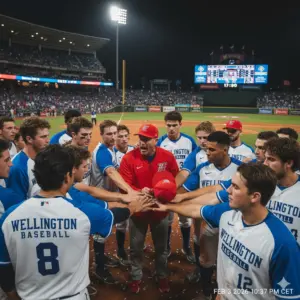

Baseball safety tips for kids in Wellington are centered on the mandatory use of protective equipment, the implementation of age-appropriate pitch counts to prevent overuse injuries, and the management of regional environmental factors such as the intense New Zealand UV index and coastal wind conditions. This comprehensive guide outlines the essential safety protocols enforced by the Wellington Baseball Association (WBA), ranging from the proper fit of batting helmets and athletic cups to the critical "rest day" requirements for young pitchers. We examine how local clubs like North Wellington and Hutt Valley manage the transition from "Kiwi Ball" to competitive hardball, ensuring that every junior player develops their skills within a secure, supervised framework. By prioritizing these safety standards, parents and coaches can ensure that the "summer of baseball" remains a positive, injury-free experience for every young athlete in the capital.
The safety culture in New Zealand baseball is governed by both international standards from Little League and specific local modifications designed for the Kiwi environment. Because the sport is often played on multi-purpose grass fields that can become uneven or slippery after a Wellington southerly, field inspection and proper footwear are the first lines of defense. Furthermore, the heat of the New Zealand summer requires a proactive approach to hydration and sun protection, as baseball games can last several hours under direct sunlight. Whether your child is stepping onto the diamond at Ian Galloway Park or Ascot Park, adhering to the following safety pillars is non-negotiable for long-term athletic health.
- Protective Gear: Mandatory use of NOCSAE-certified helmets, throat guards for catchers, and athletic supporters for all competitive grades.
- Pitch Smart NZ: Strict adherence to daily pitch limits and mandatory rest periods based on the player's age to protect developing arm mechanics.
- Environmental Awareness: Utilizing high-SPF sunscreen, wide-brimmed hats in the dugout, and ensuring constant access to water stations.
- Skill Progression: Ensuring players are physically and technically ready before moving from T-ball or "Safety Balls" to standard leather baseballs.
Protective Gear: Mandatory use of NOCSAE-certified helmets, throat guards for catchers, and athletic supporters for all competitive grades.
Pitch Smart NZ: Strict adherence to daily pitch limits and mandatory rest periods based on the player's age to protect developing arm mechanics.
Environmental Awareness: Utilizing high-SPF sunscreen, wide-brimmed hats in the dugout, and ensuring constant access to water stations.
Skill Progression: Ensuring players are physically and technically ready before moving from T-ball or "Safety Balls" to standard leather baseballs.

Mandatory Protective Equipment for Junior Players
The foundation of junior baseball safety is the correct use of personal protective equipment (PPE). Unlike casual backyard games, organized club baseball in Wellington requires every batter and baserunner to wear a double-earflap batting helmet that meets international safety standards. The helmet must fit snugly; if it shifts when the child runs or shakes their head, it is too large and provides insufficient protection against "wild pitches." For catchers, the safety requirements are even more stringent, involving a full "dinosaur" suit that includes a chest protector, leg guards, and a specialized mask with a dangling throat guard to prevent impact from foul tips.
Ensuring a Proper Helmet and Cup Fit
Many parents new to the sport overlook the importance of the athletic supporter (cup). In Wellington's competitive junior grades (U13 and above), a cup is mandatory for all male players, regardless of their position. A well-fitted cup should stay in place during a full sprint or sliding motion. Similarly, helmets should be inspected weekly for cracks in the plastic shell or compression of the internal foam, which can occur if the helmet is frequently dropped on the concrete or dugout floors.
| Gear Item | Safety Requirement | NZ Local Recommendation |
| Batting Helmet | NOCSAE Certified | Double-earflap only; no “pro” styles for kids |
| Athletic Cup | Mandatory for U13+ | Compression short style for better comfort |
| Catcher’s Mask | Throat Guard attached | Must be worn even during warm-ups |
| Cleats | Molded Plastic/Rubber | Metal spikes prohibited in most junior grades |
Understanding Pitch Counts and Arm Health Protocols
One of the most significant risks for youth baseball players in New Zealand is the potential for "Little League Elbow" or shoulder strain caused by over-pitching. Baseball New Zealand utilizes the "Pitch Smart" system, which dictates exactly how many pitches a child can throw in a day based on their age. For example, a 10-year-old may be limited to 75 pitches in a single day, but if they reach that limit, they are legally required to have four full days of rest before they can step on the mound again. These rules are in place because a child’s growth plates are still developing, and the repetitive stress of pitching can cause permanent damage if not managed correctly.
Monitoring Rest Days and Catcher Transitions
A unique aspect of the safety rules in Wellington is the "Pitcher-to-Catcher" restriction. If a player throws more than 40 pitches in a game, they are generally not allowed to play the position of catcher for the remainder of that day. This is because the catcher is involved in every single play, including "throwing back" to the pitcher, which adds cumulative stress to the arm. Coaches and parents must use a pitch counter or a dedicated app to track every delivery, ensuring the child's long-term health is never sacrificed for a mid-season win.
- Age 7-8: Maximum 50 pitches per day; 2 days rest if >35 pitches.
- Age 9-10: Maximum 75 pitches per day; 4 days rest if >65 pitches.
- Age 11-12: Maximum 85 pitches per day; 4 days rest if >66 pitches.
- Daily Tracking: Official scorers in Wellington record every pitch to ensure compliance.
Age 7-8: Maximum 50 pitches per day; 2 days rest if >35 pitches.
Age 9-10: Maximum 75 pitches per day; 4 days rest if >65 pitches.
Age 11-12: Maximum 85 pitches per day; 4 days rest if >66 pitches.
Daily Tracking: Official scorers in Wellington record every pitch to ensure compliance.

Sun Safety and Hydration in the New Zealand Climate
Wellington’s coastal breeze can be deceptive, often making the air feel cooler than it actually is. However, the New Zealand sun is exceptionally harsh, and baseball players are often on the field during the peak UV hours of 11:00 AM to 4:00 PM. Sunburn and heat exhaustion are genuine safety concerns for junior players. Clubs across the Wellington region promote the "Slip, Slop, Slap, and Wrap" philosophy. Players should apply SPF 50+ sunscreen at least 20 minutes before taking the field and reapply during the middle of the game.
Managing Heat Stress During Doubleheaders
During tournaments or Sunday doubleheaders, players might be at the park for six to eight hours. It is vital to encourage "active hydration"—drinking water or electrolyte-balanced fluids before they feel thirsty. Dugouts in Wellington should ideally be shaded; if a field lacks a permanent dugout, clubs often use portable gazebos to provide a "cool zone" for the kids while their team is at bat. Watching for signs of heat stress, such as lethargy, headache, or unusual irritability, is a key responsibility for every junior coach.
| Strategy | Action | Frequency |
| Sunscreen | SPF 50+ application | Every 2 hours of play |
| Hydration | Water or diluted sports drink | Every half-inning |
| Shade | Stay in the dugout or under gazebos | Whenever not on the field |
| Eye Protection | UV-rated sports sunglasses | While fielding or in the dugout |
Field Safety: Navigating Wind and Surface Conditions
Wellington's famous wind adds a layer of complexity to baseball safety. High-velocity gusts can affect the flight of the ball, turning a routine fly ball into a dangerous "drifting" object. Kids must be taught the "Drop Step" and proper communication skills to avoid collisions in the outfield. Furthermore, many Wellington diamonds are situated on multi-purpose parks that may be used for rugby or soccer in the winter. This means the transition from the grass "outfield" to the dirt "infield" can have lips or uneven patches that pose a tripping hazard or cause the ball to "hop" unexpectedly toward a player's face.
The Importance of the 'Ready Position'
Teaching kids to stay in an active "ready position"—knees bent, weight on the balls of the feet—is a fundamental safety skill. It allows them to react quickly to an erratic bounce caused by wind or turf conditions. Before every game, coaches in the Wellington Baseball Association conduct a "field walk" to identify any holes, protruding sprinkler heads, or debris that might have been left on the diamond, ensuring a safe playing surface for the juniors.
- Communication: Loudly calling "Mine, Mine, Mine!" to prevent collisions.
- Visual Tracking: Keeping the glove in front of the face when tracking high fly balls in the wind.
- Groundskeeping: Raking the sliding pits at 1st, 2nd, and 3rd base to prevent ankle "snags."
- Footwear: Ensuring cleats are clean of mud to maintain traction on the grass-to-dirt transition.
Communication: Loudly calling "Mine, Mine, Mine!" to prevent collisions.
Visual Tracking: Keeping the glove in front of the face when tracking high fly balls in the wind.
Groundskeeping: Raking the sliding pits at 1st, 2nd, and 3rd base to prevent ankle "snags."
Footwear: Ensuring cleats are clean of mud to maintain traction on the grass-to-dirt transition.

Safe Hitting and Base Running Mechanics
In the batter's box, safety is about awareness and controlled aggression. New players must be taught never to "throw the bat" after a hit, a common and dangerous habit in youth baseball. A thrown bat can easily strike the catcher or the umpire. Regarding base running, sliding is a core safety skill. While it looks aggressive, a proper "feet-first" slide is often the safest way to enter a base, as it prevents the runner from colliding with the fielder and protects their ankles from getting caught in the dirt.
Sliding and 'Force Play' Safety
In many Wellington junior grades, head-first sliding is strictly prohibited for players under the age of 13 to protect their necks and fingers. Coaches spend significant time during pre-season training teaching the "figure-four" slide on soft grass before allowing it on the dirt diamonds. Additionally, runners must be taught to "run through" first base and stay in the "runner's lane" to avoid being hit by a throw from the catcher or pitcher.
| Action | Safety Rule | Purpose |
| Bat Release | Drop the bat, do not fling it | Protects Catcher and Umpire |
| Sliding | Feet-first only for U13 | Protects neck and head |
| Runner’s Lane | Stay in the 3-foot chalk lane | Avoids being hit by throws |
| Base Touching | Step on the bag, not the fielder | Prevents ankle/hand injuries |
Dealing with the 'Fear of the Ball' and Impact Safety
For many kids starting baseball in Wellington, the fear of being hit by a hard leather ball is a significant mental hurdle. Safety in this context is about building confidence through progression. Most WBA clubs start juniors with "Safety Balls" or "Reduced Injury Balls" (RIBs), which have a standard appearance but a softer core. This allows kids to learn the mechanics of catching and hitting without the risk of significant bruising or injury. As they move to competitive grades, they are taught how to "turn away" from an inside pitch (the "tuck and roll" technique) to ensure any impact occurs on the meaty parts of the back or shoulder rather than the face or chest.
Using Face Guards and Chest Protection
For extra peace of mind, many Wellington parents opt for "C-Flaps" or face guards that attach to the batting helmet. These provide additional protection for the jaw and cheekbone. In the field, some pitchers in the U13 and U16 grades choose to wear lightweight chest protectors (heart guards) underneath their jerseys to protect against high-velocity "come-backers" hit directly back toward the mound.
- RIB Balls: Used in Kiwi Ball and Rookie grades to minimize impact force.
- Tuck and Roll: Teaching batters to turn their backs to the ball if an HBP (Hit By Pitch) is imminent.
- Soft Hands: Drills that emphasize catching the ball "out front" to keep it away from the face.
- Heart Guards: Optional padded shirts for pitchers and infielders.
RIB Balls: Used in Kiwi Ball and Rookie grades to minimize impact force.
Tuck and Roll: Teaching batters to turn their backs to the ball if an HBP (Hit By Pitch) is imminent.
Soft Hands: Drills that emphasize catching the ball "out front" to keep it away from the face.
Heart Guards: Optional padded shirts for pitchers and infielders.

The Role of the Coach and Umpire in Game Safety
In the Wellington Baseball Association, the coach and the umpire (the "Blue Crew") are the primary enforcers of safety. Before every match, the umpire will conduct a "bat and helmet check," removing any equipment that is dented, cracked, or lacks the proper certification stamps. Coaches are responsible for the "warm-up" phase, ensuring that every child’s arm is sufficiently "loose" before they attempt a high-effort throw. A cold arm is a vulnerable arm, and in the Wellington wind, muscles can cool down quickly between innings, making the "jacket rule" for pitchers in the dugout a vital safety habit.
Managing the 'On-Deck' Circle
A frequent safety hazard in youth baseball is the improper use of the "on-deck" area. Only one player should be outside the dugout with a bat, and they must stay within the designated circle, well away from the batter and the path of any foul balls. Coaches in Wellington are strict about "no swinging bats" in the dugout or behind the backstop, ensuring that the only time a bat is in motion is during a controlled at-bat or in the supervised on-deck circle.
| Official Role | Safety Duty | Frequency |
| Umpire | Equipment and Field Inspection | Before every game |
| Coach | Supervised warm-up and stretching | Every practice/game |
| Scorer | Pitch count tracking | Every half-inning |
| Parent | Monitoring hydration/sunscreen | Continuous |
Emergency Preparedness and First Aid Protocols
Every Wellington baseball club is required to have a dedicated first aid kit at the diamond for every practice and game. Because baseball can involve facial impacts or ankle sprains, these kits are specifically stocked with "instant cold packs," sterile eye washes, and plenty of strapping tape. Most clubs have at least one coach or committee member who is first-aid certified. In the event of a significant injury, Wellington’s "111" protocol is followed, and the association requires an incident report to be filed to help identify and mitigate future risks on a specific field or during a specific drill.
Handling Concussion and Head Impacts
New Zealand’s "ACC" guidelines for concussion are strictly followed in baseball. If a child takes a significant blow to the head—either from a ball or a collision—they are immediately removed from the game. They cannot return to play until they have been cleared by a medical professional and have completed a "Graduated Return to Play" (GRTP) protocol. This ensures that the brain has fully recovered before the athlete is exposed to the physical demands of a competitive match.
- Cold Packs: The most used item for minor "stings" and bruises.
- AED Access: Many Wellington sports parks now have automated external defibrillators nearby.
- Emergency Contacts: Coaches keep a digital or paper copy of every player’s medical needs.
- Concussion Policy: "When in doubt, sit them out."
Cold Packs: The most used item for minor "stings" and bruises.
AED Access: Many Wellington sports parks now have automated external defibrillators nearby.
Emergency Contacts: Coaches keep a digital or paper copy of every player’s medical needs.
Concussion Policy: "When in doubt, sit them out."

Winter Training Safety: Indoor vs. Outdoor Risks
During the off-season, many Wellington players move to indoor training facilities to escape the winter rain. While indoor training removes the wind and sun factors, it introduces new safety considerations. Hard surfaces (like gym floors or thin turf) can be tougher on the joints than grass. Players should wear appropriate footwear—standard sneakers or "turf shoes" rather than their outdoor cleats—to prevent slipping. Furthermore, in the confined space of a batting cage, the "swing zone" is even more restricted, making strict supervision of bat-handling even more critical than it is outdoors.
Isolated Mechanics and Arm Care
Winter is the time for "mechanical refinement." Coaches focus on low-impact drills that emphasize correct form over power. This is also the period for implementing "J-Bands" or resistance band training, which strengthens the small stabilizer muscles in the shoulder. By focusing on arm care during the winter, Wellington youth players are much less likely to experience "opening day" injuries when the competitive season returns in October.
| Winter Risk | Mitigation | Recommended Tool |
| Slippery Floors | Non-marking sneakers | Turf shoes |
| Confined Space | One person in cage at a time | Batting cage netting |
| Cold Muscles | Extended indoor warm-ups | Resistance bands (J-Bands) |
| Hard Impacts | Use of “Dimple Balls” or soft-cores | Pitching machines |
Building a Culture of 'Safety First' on the Diamond
Ultimately, baseball safety tips for kids in Wellington are most effective when they are part of the club’s DNA. When senior players model good behavior—such as wearing helmets correctly and respecting pitch counts—the junior players follow suit. The goal is to teach kids that safety isn't an obstacle to fun; rather, it is the foundation that allows them to play the game they love at a high level for many years. Wellington's baseball community prides itself on being a "family sport," and that starts with the collective responsibility of looking out for the youngest members of the "Blue Crew."
Promoting Sportsmanship and Respect
Safety also extends to the "mental" and "emotional" wellbeing of the players. A safe environment is one where kids feel comfortable making mistakes without fear of ridicule. This positive atmosphere reduces stress and allows players to focus on their mechanics, which in turn leads to safer, more controlled physical play. The Wellington Baseball Association continues to invest in coach education to ensure that these soft skills are just as prevalent as the technical knowledge of the game.
- Peer Mentoring: Seniors helping juniors with gear fitting.
- Parent Education: Informing new parents about the "why" behind pitch counts.
- Positive Reinforcement: Celebrating safe play, like a clean slide or a smart "dirt ball read."
- Community Support: Working with local councils to keep Wellington diamonds in peak condition.
Peer Mentoring: Seniors helping juniors with gear fitting.
Parent Education: Informing new parents about the "why" behind pitch counts.
Positive Reinforcement: Celebrating safe play, like a clean slide or a smart "dirt ball read."
Community Support: Working with local councils to keep Wellington diamonds in peak condition.

Final Thoughts
Ensuring the safety of junior baseball players in Wellington is a collaborative effort between the association, the clubs, and the parents. By combining high-quality protective gear with strict adherence to the "Pitch Smart" protocols and a keen awareness of our unique New Zealand climate, we create an environment where the sport can thrive. Baseball is a game of skill, speed, and excitement, but it must always be played within a framework of safety. As your child progresses through the grades—from the soft-ball fun of Kiwi Ball to the high-stakes senior divisions—the habits they learn today regarding arm care, sun protection, and field awareness will serve them for their entire sporting life. Let’s keep the diamonds safe and the games competitive.
FAQ
What is the most important piece of safety gear for a beginner?
The batting helmet is the most critical item, as it protects against the most significant risk: impact from a pitched or thrown ball.
Are metal spikes allowed in Wellington junior baseball?
Generally, no. Most grades below U16 require molded plastic or rubber cleats to prevent injuries during slides and collisions.
How do I know if my child is pitching too much?
Refer to the "Pitch Smart NZ" age charts and ensure your coach is keeping an official pitch count for every game.
What should I do if a baseball game is held during a heatwave?
Prioritize shade in the dugout, ensure every player has a large water bottle, and apply high-SPF sunscreen every twond hour.
Can my child wear their rugby boots for baseball?
While possible on grass, rugby boots often have long studs that can be dangerous or provide poor traction on the dirt infield. Baseball-specific molded cleats are safer.
Why does my child have to wear a 'cup' if they aren't catching?
In baseball, a "bad hop" on a ground ball can happen at any position. A cup is a mandatory safety requirement for all male players in competitive grades.
Is it safe for kids to play baseball in the wind?
Yes, but they must be taught specific communication skills and "drop steps" to manage the unpredictable flight of the ball.
What is a 'Safety Ball' or RIB?
It is a ball that looks like a baseball but has a foam or soft rubber core to reduce the force of impact, commonly used for younger players.
What happens if a player gets a concussion?
The player must be removed immediately and follow the ACC "Graduated Return to Play" protocol under medical supervision.
Where can I buy certified baseball safety gear in NZ?
Specialized sports stores and several online NZ retailers stock NOCSAE-certified helmets and catching gear suitable for the local market.
External Resource: Baseball New Zealand – Wikipedia