World Series Baseball in New Zealand: The Ultimate MLB Finals Guide

Major League Baseball has captured the imaginations of sports fans across Aotearoa, transforming what was once a niche American pastime into a staple for local viewers who love high-stakes sporting drama. When the MLB season reaches its pinnacle, Kiwi fans across the country tune in to witness history in the making, tracking every pitch, home run, and strategic masterstroke.

From casual viewers in Hamilton to die-hard sports enthusiasts in Christchurch, understanding how the final playoff bracket operates, where to stream the games legally, and how to place an informed wager through local platforms is essential. This comprehensive guide breaks down everything a New Zealand sports fan needs to know about the premier championship event in global baseball, ensuring you never miss a moment of the action.

  • Premium Live Broadcasting: Detailed information on Sky Sport and streaming access for Kiwi viewers.
  • Complete Postseason Breakdown: How the American and National League champions earn their spots.
  • New Zealand Sports Betting Context: Understanding odds, local TAB options, and responsible gambling boundaries.
  • Key Historic Milestones: The iconic moments that have shaped the global reputation of the fallback classic.
  • Practical Fan Resources: Local timing charts, schedules, and tips for setting up the ultimate morning viewing session.

The Path to the Autumn Classic Explained

The journey to the ultimate championship series in baseball is an exhausting, multi-month marathon that tests the depth, resilience, and mental fortitude of every franchise in Major League Baseball. Beginning in April, thirty teams compete across a grueling 162-game regular season split evenly between the American League (AL) and the National League (NL). For New Zealand fans tracking these teams through the winter months, the sheer volume of games offers endless data, but the intensity shifts dramatically when October arrives and the playoff bracket is officially set.

The postseason structure is designed to reward regular-season excellence while allowing red-hot wildcard teams to make a run at glory. A total of twelve teams enter the playoffs—six from each league—consisting of the three division winners and three wildcard qualifiers. The top two division winners in each league earn a well-deserved bye, while the remaining four teams battle it out in a short, high-pressure Wild Card Series. This opening round is a best-of-three sprint where a single mistake can end an entire year’s ambitions, making it a thrilling spectacle for sports punters and general fans alike.

Following the initial drama, the surviving teams advance to the Division Series (ALDS and NLDS), which ups the ante to a best-of-five format. Here, traditional rivalries flare, and managerial strategies regarding starting pitchers and bullpen management become critical. The winners then progress to the League Championship Series (ALCS and NLCS), a grueling best-of-seven showdown that determines who will hoist the pennant and represent their respective league on the grandest stage of them all.

Understanding the Postseason Hierarchy

To help visualize how a team navigates this high-stakes landscape to reach the absolute peak of professional baseball, the progression can be broken down into distinct competitive tiers. Each stage demands a different level of tactical execution, meaning a team built for regular-season consistency might struggle in a short playoff format.

Playoff RoundFormatNumber of TeamsKiwi Fan Focus
Wild Card SeriesBest-of-38 Teams TotalHigh-speed drama, immediate elimination risks
Division Series (LDS)Best-of-58 Teams TotalStrategic pitching rotations, home-field advantage factors
League Championship (LCS)Best-of-74 Teams TotalExhaustive bullpen depth, pennant-winning glory
Championship FinalBest-of-7Final 2 TeamsThe ultimate global stage, historical legacy

How to Watch the Major League Championship in New Zealand

For sports fans living in New Zealand, catching the pinnacle of the baseball calendar requires a bit of planning due to the significant time zone differences between North America and Aotearoa. Because games typically broadcast live during the early morning or midday hours in New Zealand, having a reliable viewing setup is crucial for those who want to watch the live action unfold without catching accidental spoilers on social media. Thankfully, local sports broadcasting infrastructure has evolved significantly, making it easier than ever to access high-definition coverage.

Sky Network Television remains the primary home for Major League Baseball broadcasts within New Zealand, delivering extensive live coverage through its dedicated Sky Sport channels. Subscribers can watch marquee games throughout the regular season, with coverage ramping up significantly as the playoffs approach. For those who prefer a modern streaming experience without a traditional satellite dish, the Sky Go application and the standalone Sky Sport Now service provide excellent flexibility, allowing fans to watch on laptops, tablets, or smartphones while commuting or sitting at work. Wikipedia

For the absolute ultimate baseball experience, many Kiwi enthusiasts choose to bypass traditional local broadcasters altogether by investing in an MLB.TV subscription. This premium digital service offers comprehensive live streams of every single postseason game, complete with multi-camera angles, alternative audio tracks (including radio broadcasts), and extensive pre-game and post-game analysis. It is important to note that while MLB.TV occasionally features local blackout restrictions in some regions globally, New Zealand viewers generally enjoy unrestricted access to the championship games, making it a highly attractive option for die-hard purists.

Essential Viewing Tips for Kiwi Fans

Optimising your morning schedule is the secret to fully enjoying a live sports broadcast originating from the opposite side of the planet. Because major baseball games often last between two and three hours, timing your morning routine is essential to ensure you do not miss the opening pitch or a dramatic late-game comeback.

  • Check the Daylight Saving Shifts: Remember that North America often rolls its clocks back or forward at different times than New Zealand, which can alter broadcast times by an hour unexpectedly.
  • Utilise On-Demand Replays: If a crucial Game 7 falls right in the middle of an important business meeting in Wellington, ensure your streaming platform has an un-spoiled replay option available.
  • Set Up Smart Alerts: Use official sports apps to send live notifications directly to your phone regarding pitching changes, home runs, or weather delays.

Sports Betting Context for New Zealand Punters

The soaring popularity of international sports has naturally led to an increase in sports wagering activity among New Zealand adults who enjoy adding an extra layer of excitement to their viewing experience. Whether you are backing a dominant pitching ace or predicting a high-scoring game under the stadium lights, navigating the sports betting market requires a clear understanding of how odds operate and how the local regulatory framework protects consumers. In New Zealand, sports betting is tightly regulated to ensure fairness, transparency, and consumer safety.

The Totalisator Agency Board (TAB) operates as the primary, locally licensed betting provider in the country, offering an extensive array of markets on Major League Baseball. Punters can access standard match-winner markets, point spreads (known as the run line in baseball), and over/under totals for combined runs scored. Additionally, modern sportsbooks offer sophisticated proposition bets, allowing fans to wager on specific player performances, such as the number of strikeouts a starting pitcher will record or whether a particular slugger will hit a home run during the game.

When engaging with sports betting, it is absolutely paramount to approach it with a disciplined, analytical mindset rather than relying purely on emotion or team loyalty. Baseball is a sport heavily driven by advanced statistics, meaning successful punters spend significant time researching pitching matchups, historical stadium configurations, bullpen usage rates, and even local weather patterns, which can drastically alter how far a baseball travels. Comparing odds across reputable international platforms alongside the local TAB can also reveal better value, provided the platforms used are safe, verified, and well-regulated globally.

Managing a Structured Betting Approach

To keep your sports entertainment enjoyable and safe, establishing a clear set of operational boundaries before placing a single wager is the mark of a responsible punter. Treat sports betting as an entertainment expense rather than a legitimate financial or investment strategy.

Betting MetricDefinitionPractical ExampleRisk Management Priority
MoneylinePredicting the outright winnerBacking Auckland’s favourite team at $1.85Low complexity, highly sensitive to starting pitchers
Run LineA fixed handicap of 1.5 runsChoosing a team to win by 2 or more runsMedium risk, relies heavily on late-game bullpen safety
Total RunsOver/under on combined scoresWagering that total runs will be under 8.5Great for windy days or elite pitching matchups
Futures MarketLong-term championship winnerPlacing a bet in April on the eventual championTies up capital for months, high mathematical volatility

The Strategic Importance of the Starting Pitcher

In the sport of baseball, no single individual exerts a greater influence over the outcome of a game than the starting pitcher. When two elite teams collide in a championship series, managers spend countless hours calculating their pitching rotations, attempting to maximise their advantages based on historical data and player health. For a New Zealand viewer looking to truly understand the tactical nuances of the game, learning how to analyse a pitching matchup is the ultimate way to elevate your appreciation of the sport.

An elite starting pitcher possesses a sophisticated arsenal of pitches, ranging from blistering fastballs that exceed 150 kilometres per hour to deceptive changeups and sharp breaking sliders designed to fool a batter’s timing. In a best-of-seven series, a team typically relies on a four-man starting rotation, meaning your star pitcher will likely only start Game 1 and Game 5. This creates an intense tactical chess match where a manager must decide whether to bring their absolute best pitcher back on short rest if the team faces elimination, risking long-term injury for immediate survival.

Furthermore, the rise of advanced analytics has transformed how pitchers approach modern batters. Teams use high-speed cameras and radar tracking data to map out an opponent’s weaknesses, instructing their pitchers to target precise zones across the home plate. If a starting pitcher can locate their pitches effectively through the first six innings, they significantly reduce the workload on their bullpen, keeping the relief pitchers fresh for the subsequent games in the series.

Key Pitching Styles to Track

Recognising the operational differences between various types of pitchers allows you to predict how a game might flow, especially during the tense early innings where momentum is established.

  • The Power Pitcher: Relies on raw velocity and high strikeout numbers, aiming to blow the ball past batters regardless of their defensive stance.
  • The Control Specialist: Lacks extreme speed but excels at precise ball placement, forcing weak groundouts and keeping pitch counts low.
  • The Southpaw Advantage: Left-handed pitchers who create challenging visual angles for left-handed batters, frequently used to disrupt a lineup’s natural rhythm.

Decoding Advanced Baseball Statistics for Kiwi Fans

To the uninitiated, a standard baseball box score looks like an incomprehensible wall of numbers and acronyms. However, for a growing community of analytical fans across New Zealand, these metrics are the key to unlocking the deeper narrative of the game. Moving beyond basic traditional stats like home runs and batting averages opens up a fascinating world of advanced analytics, often referred to as Sabermetrics, which provide an incredibly accurate picture of a player’s true value on the field.

One of the most critical modern metrics is On-Base Plus Slugging (OPS), which combines a player’s ability to get on base safely with their raw hitting power. An OPS above .800 is generally considered elite, indicating a batter who consistently pressures opposing pitchers. For pitchers, traditional Earned Run Average (ERA) is now frequently viewed alongside Fielding Independent Pitching (FIP), a metric that measures a pitcher’s effectiveness by focusing solely on events they can control—namely strikeouts, walks, and home runs—removing the skill of the surrounding defensive players from the equation.

For the ultimate evaluation of a baseball player, Wins Above Replacement (WAR) has become the industry standard. WAR calculates a player’s total contribution to their team across hitting, fielding, and baserunning, condensing it into a single number that represents how many additional wins that player provides compared to a standard, readily available minor-league replacement. Tracking these statistics through the season gives New Zealand fans an incredible edge when participating in fantasy leagues or evaluating sportsbooks’ odds.

Crucial Analytical Acronyms Evaluated

Understanding these core metrics will completely change the way you read sports commentary and analysis ahead of a major championship broadcast.

StatisticFull NameCore UtilityBenchmark for Excellence
WHIPWalks plus Hits per Inning PitchedMeasures a pitcher’s efficiency in preventing baserunnersAnything below 1.10 is considered world-class
wRC+Weighted Runs Created PlusEvaluates offensive output adjusted for stadium factors100 is league average; 140 is exceptional
DRSDefensive Runs SavedQuantifies a player’s total defensive value on the field+10 or higher indicates an elite defender

The Cultural Impact of the World Series in Aotearoa

While rugby, cricket, and netball have traditionally dominated the sporting landscape of New Zealand, baseball has quietly established a vibrant, rapidly expanding footprint across the country. The visual spectacle and intense drama of the Major League Baseball finals have played a major role in this growth, inspiring a new generation of young Kiwi athletes to pick up a glove and step onto the diamond. This cultural shift is visible in schools, local parks, and dedicated club leagues from Auckland down to Dunedin.

Organisations like Baseball New Zealand have worked tirelessly to develop local talent pathways, capitalizing on the natural crossover skills found in soft-ball and cricket players. The visibility of the sport’s grandest event provides local clubs with a powerful marketing tool, proving to young athletes that baseball is a truly global sport with lucrative professional opportunities overseas. Seeing regional success stories and hearing local commentators discuss international developments has made the sport feel far closer to home than ever before.

Furthermore, the social aspect of viewing these major events has created a unique subculture within New Zealand’s major urban centres. Sports bars in Wellington and Christchurch regularly open their doors early to host vibrant breakfast watch parties, where fans gather over coffee and food to cheer on their favorite franchises. This community spirit bridges the geographical gap, turning a faraway tournament into a shared local experience that unites fans across generations.

Evidence of Baseball’s Growth in New Zealand

The expansion of the sport locally is driven by structured community investment, visible media coverage, and rising participation rates across multiple demographics.

  • Increased Club Enrolments: Regional associations report steady growth in junior grades, particularly in the under-13 categories.
  • Upgraded Playing Facilities: Local councils are increasingly investing in dedicated baseball diamonds with correct backstops and pitching mounds.
  • Academic Pathways: A growing number of young Kiwi prospects are securing athletic scholarships to American colleges, keeping the dream of professional play alive.

Essential Fan Gear and Merchandise Authentication

As the excitement builds toward the championship games, wearing your team’s official colours is an essential part of the fan experience for many New Zealanders. Whether you support a historic powerhouse or a modern wildcard contender, purchasing high-quality merchandise allows you to show your passion proudly during early-morning watch parties or local club events. However, because premium sports gear represents a significant financial investment, ensuring you buy authentic, officially licensed apparel is incredibly important.

The local retail market in New Zealand features several specialty sports stores that import official apparel directly from authorized manufacturers. Look for merchandise featuring hologram stickers and clear licensing branding, which verify that the item meets strict international quality standards. Buying authentic jerseys, caps, and jackets ensures superior comfort and durability, and directly supports the sport’s global development funds, ensuring the game continues to prosper worldwide.

For fans living outside major hubs like Auckland or Christchurch, online shopping is often the most convenient way to access a wide range of team merchandise. When ordering from international websites, keep shipping times and potential customs duties in mind to avoid unexpected delays before the big games begin. Planning your purchases well in advance guarantees your gear arrives in perfect condition, ready for the opening pitch of the series.

Checking Merchandise Authenticity

Before investing your hard-earned money in premium fan apparel, running a few quick checks can save you from accidentally purchasing low-quality counterfeit products.

  • Examine the Stitching: Authentic jerseys feature clean, uniform stitching along all seams, logos, and player numbers.
  • Verify the Hologram: Officially licensed items come with a metallic, serialized hologram sticker affixed to the tags.
  • Review the Retail Source: Stick to well-established local retailers or the official online storefronts of major sporting leagues to guarantee authenticity.

Hosting the Ultimate Morning Watch Party

Because major baseball games stream live during the morning hours in New Zealand, hosting a viewing gathering requires a creative twist on the traditional evening sports party. Transforming an early-morning timeslot into a vibrant, high-energy social event is a fantastic way to share the thrill of the finals with friends, family, or fellow club members. With a bit of strategic preparation, you can create an unforgettable experience that perfectly balances comfort, great food, and uninterrupted sports viewing.

The foundation of a great morning watch party is a reliable, high-definition viewing setup with high-quality sound. Ensure your streaming subscription is active, your internet connection is stable, and your screen is positioned to avoid harsh morning sunlight glare. Setting up comfortable seating with plenty of space allows guests to relax during long innings, ensuring everyone stays focused on the high-stakes action unfolding on screen.

When planning the food and beverage menu, shift away from traditional evening snacks like pizza and beer toward high-quality breakfast options that keep energy levels high. Providing premium coffee, fresh fruit platters, and hearty breakfast burritos or pastries caters beautifully to a morning crowd, keeping everyone comfortable through the tense middle innings. Having a selection of non-alcoholic juices and traditional teas ensures all your guests feel welcome and looked after.

Watch Party Checklist for Success

Using a structured checklist takes the stress out of hosting duties, leaving you completely free to enjoy the game alongside your guests.

Preparation CategoryAction ItemTarget Completion TimeKiwi Hosting Benefit
Technology CheckTest stream stability and soundbar levelsThe evening before the gamePrevents frustrating buffering delays at kickoff
Lighting ControlAdjust blinds to eliminate screen glare30 minutes before first pitchGuarantees clear visibility of every pitch and play
Breakfast PrepBrew premium coffee and warm up pastries15 minutes before broadcastKeeps guests energised and comfortable throughout
Seating LayoutArrange couches and cushions for space1 hour before guests arriveCreates a welcoming, stadium-like social atmosphere

Responsible Gambling Practices in Sports Entertainment

Enjoying sports betting as a form of casual entertainment requires a strong commitment to responsible gambling practices at all times. For a small number of individuals, the excitement of high-stakes sports can lead to impulsive decisions, making it vital to set clear personal boundaries before placing any wagers. Viewing sports betting strictly as a fun entertainment expense—similar to buying a concert ticket or dining out—is the healthiest mindset for long-term safety.

New Zealand features a robust support framework for individuals who feel their gambling habits are becoming problematic. Reputable betting platforms provide comprehensive self-exclusion tools, deposit limits, and session timers, allowing users to manage their activity proactively. If you or someone you know is struggling to maintain control, accessing free, confidential support through local organisations like the Gambling Helpline is a powerful step toward regaining balance and protecting your financial well-being.

Ultimately, the true joy of sport lies in the incredible athleticism, tactical genius, and shared community experiences it creates. By keeping any wagering activity small, controlled, and well within your personal financial limits, you ensure that following major international sports events remains a positive, exciting, and rewarding part of your lifestyle.

Practical Steps for Responsible Play

Implementing these straightforward habits keeps your sports entertainment safe, enjoyable, and free from financial stress.

  • Set Strict Budgets: Determine a fixed amount of disposable income you are comfortable spending before the sports season begins, and never exceed it.
  • Avoid Chasing Losses: If a wager does not go your way, accept the outcome and move on rather than placing larger, riskier bets to win the money back.
  • Take Regular Breaks: Step away from betting apps completely during the offseason to maintain a healthy perspective on your sports viewing habits.

Summary

The major championship of global baseball stands as an extraordinary showcase of sporting excellence, captivates a rapidly growing fanbase across New Zealand, and unites communities through a shared passion for high-stakes drama. Navigating this exciting world requires a clear understanding of the postseason structure, a reliable viewing setup via local providers like Sky Sport or premium streaming options, and an analytical mindset when exploring regulated betting markets like the TAB. By embracing advanced statistics and prioritizing responsible entertainment practices, Kiwi fans can fully immerse themselves in the unique magic of the Fall Classic, celebrating the growth of baseball within the vibrant sporting culture of Aotearoa.

FAQ

How can I watch the baseball championship games live in New Zealand?

You can watch the games live through Sky Sport, Sky Go, or the Sky Sport Now streaming service. Alternatively, an MLB.TV subscription offers comprehensive, unrestricted live streaming and on-demand replays tailored for dedicated fans across New Zealand.

What time of day do the games typically broadcast in NZ?

Due to time zone differences, games usually stream live during the early morning or midday hours in New Zealand. It is always wise to double-check local listings, as North American daylight saving changes can alter the broadcast schedule.

Is sports betting on international baseball legal for New Zealand residents?

Yes, sports betting is legal for adults aged 18 and over in New Zealand. The TAB operates as the locally licensed provider, offering a wide range of verified markets on major international sports events.

What are advanced baseball statistics and why should I use them?

Advanced statistics, or Sabermetrics, look beyond traditional figures to provide a deeper, more accurate look at a player’s true performance. Metrics like OPS, FIP, and WAR are invaluable tools for analyzing games or evaluating sports betting markets.

How long does a standard professional baseball game last?

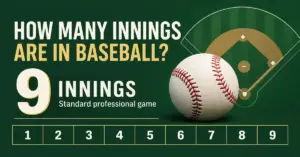
A standard game typically lasts between two and three hours, consisting of nine standard innings. However, if the score remains tied after nine innings, extra innings are played until a clear winner is determined, extending the broadcast time.

Can I buy authentic team merchandise easily within New Zealand?

Yes, several specialty sports retailers across major centres like Auckland and Christchurch stock officially licensed apparel. You can also order directly from official online international storefronts, keeping local shipping timelines in mind.

What is the structure of the championship final series?

The final championship is a best-of-seven series between the champions of the American League and the National League. The first team to win four games claims the title, ensuring a highly competitive and dramatic series.

How does the starting pitcher influence the betting odds for a game?

Starting pitchers have an immense impact on odds because they control the game’s tempo and initial scoring opportunities. Sportsbooks heavily adjust their lines based on which pitching aces are scheduled to start on the mound.

Where can I find support if I need help with my gambling habits?

Free, confidential support is readily available through the Gambling Helpline New Zealand. You can contact them online or via phone to access professional guidance, budgeting advice, and practical self-exclusion tools.

Is baseball participation growing at a grassroots level in New Zealand?

Yes, baseball is experiencing significant grassroots growth across Aotearoa. Local organisations like Baseball New Zealand report steady increases in junior club enrolments and ongoing investments in dedicated playing facilities nationwide.